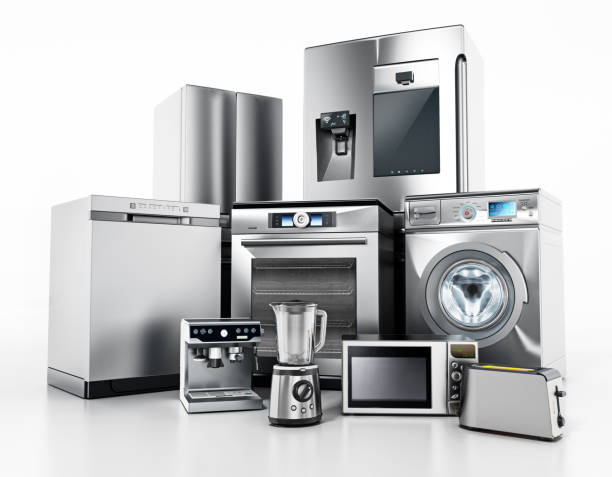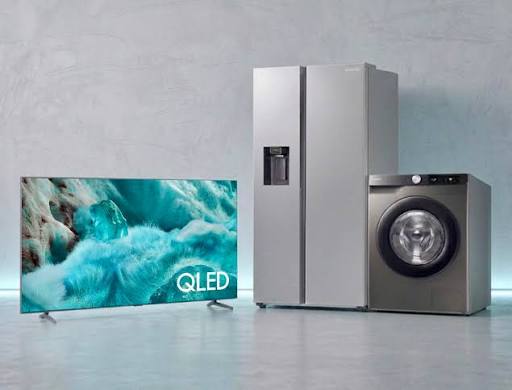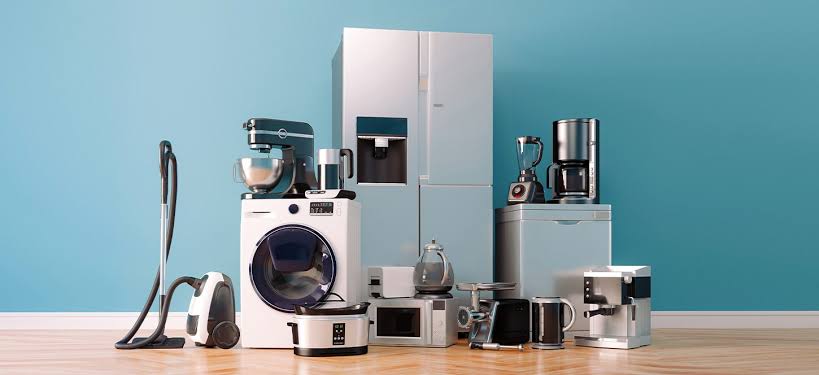
Energy consumption has become one of the most important considerations when purchasing modern Home Appliances. With rising electricity costs and increased use of electronics in households, choosing energy-efficient devices is no longer optional—it is a necessity.
From refrigerators and air conditioners to washing machines and kitchen devices, every appliance contributes to your monthly power bill. Understanding how energy ratings work helps homeowners make smarter buying decisions, reduce waste, and save money over time.
This guide explains how energy efficiency labels work, what to look for when shopping, and how to choose appliances that deliver performance without unnecessary power consumption.
Why Energy Efficiency Matters in Home Appliances
Modern households rely heavily on electrical devices for cooking, cooling, cleaning, and entertainment. While these appliances make life more convenient, they also increase energy demand.
Energy-efficient Home Appliances are designed to perform the same tasks while using less electricity. This means lower utility bills, reduced strain on power systems, and a smaller environmental footprint.
Over time, even small improvements in efficiency can lead to significant savings, especially in homes with multiple high-consumption devices such as air conditioners and refrigerators.
Understanding Energy Star Ratings and Labels
Energy labels are designed to help consumers quickly identify how efficient an appliance is. Most systems use a star rating or graded scale to indicate performance.
The more stars an appliance has, the more efficient it is. A 5-star rated appliance consumes less electricity compared to a 1 or 2-star model performing the same function.
These ratings are especially important when buying major appliances like:
- Refrigerators
- Air conditioners
- Washing machines
- Water heaters
By checking these labels, buyers can compare long-term running costs rather than just upfront prices.
How Energy-Efficient Home Appliances Reduce Electricity Bills
One of the biggest advantages of energy-efficient appliances is long-term cost savings. While they may sometimes cost slightly more upfront, they use significantly less electricity over their lifespan.
For example, an energy-efficient refrigerator cycles its compressor more intelligently, reducing unnecessary power usage. Similarly, modern air conditioners adjust cooling output based on room temperature instead of running at full power continuously.
This intelligent energy management helps households maintain comfort while keeping electricity bills under control.
Key Appliances That Consume the Most Energy
Not all appliances have the same impact on your electricity bill. Some devices are naturally more energy-intensive due to their function.
The most common high-energy Home Appliances include:
- Air conditioners
- Refrigerators
- Washing machines
- Electric water heaters
- Cooking appliances
Because these devices run frequently or require heating/cooling, choosing energy-efficient models has a noticeable impact on monthly expenses.
What to Look for When Buying Energy-Saving Electronics
When shopping for appliances, energy labels are only one part of the decision. Buyers should also consider additional features that improve efficiency.
Look for:
- Inverter technology (adjusts power usage dynamically)
- Eco modes or energy-saving settings
- Automatic shut-off functions
- Smart sensors that optimize performance
- Good insulation in cooling appliances
These features work together with energy ratings to reduce unnecessary power consumption.
Common Mistakes When Choosing Home Appliances
Many buyers focus only on price and overlook long-term energy costs. This often leads to purchasing cheaper appliances that consume more electricity over time.
Other common mistakes include:
- Ignoring energy labels
- Choosing oversized appliances for small households
- Not comparing yearly energy consumption
- Overlooking inverter technology
Avoiding these mistakes ensures better performance and lower long-term costs.
Building an Energy-Efficient Home System
Energy efficiency is most effective when applied across all household systems rather than just one appliance.
A well-optimized home may include:
- Energy-saving refrigeration systems
- Efficient cooking appliances
- Smart washing machines
- Low-power lighting and electronics
You can explore more efficient options in these categories:
- Kitchen Appliances
kitchen-appliances - Cooking Appliances
cooking-appliances - Fridges & Freezers
fridges-freezers - Laundry & Garment Care
laundry-and-garment-care - Fans & Heaters
fans-and-heaters - Small Home Appliances
small-home-appliances - Audio & Televisions
audio-and-televisions
Final Thoughts
Choosing energy-efficient Home Appliances is one of the smartest financial decisions a household can make. By understanding energy ratings, comparing efficiency levels, and selecting appliances with modern power-saving features, homeowners can significantly reduce electricity consumption without sacrificing performance.
As technology continues to improve, energy-efficient appliances are becoming more accessible and affordable, making it easier than ever to build a cost-effective and sustainable home.