


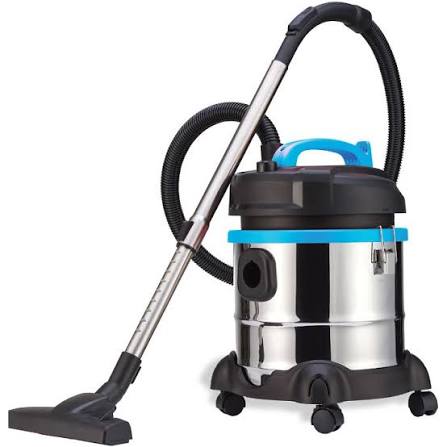
Keeping your home or workplace clean has never been easier thanks to the modern vacuum cleaner. Whether you’re dealing with dust, pet hair, carpets, tiles, or upholstery, the right vacuum cleaner saves time while delivering a healthier living environment.
Today’s vacuum cleaners are more powerful, quieter, energy-efficient, and smarter than ever before. From compact handheld units to industrial-grade machines, choosing the right model depends on your cleaning needs, budget, and the size of your space.
In this complete 2026 guide, you’ll learn:
- What a vacuum cleaner is
- How vacuum cleaners work
- Different types available
- Features to look for
- Vacuum cleaner prices
- Common mistakes buyers make
- Frequently asked questions
- How to choose the best vacuum cleaner for your home or business
What Is a Vacuum Cleaner?
A vacuum cleaner is an electrical cleaning appliance that removes dust, dirt, debris, allergens, and pet hair by creating suction.
Instead of sweeping dust into the air, a vacuum cleaner traps it inside a collection bag or dust container using high-speed airflow and filtration systems.
Modern vacuum cleaners are designed for:
- Homes
- Apartments
- Offices
- Hotels
- Schools
- Hospitals
- Warehouses
- Commercial buildings
Besides improving cleanliness, regular vacuuming helps improve indoor air quality by reducing allergens, dust mites, and fine particles.
Why Vacuum Cleaners Matter Today
Traditional sweeping often redistributes dust rather than removing it completely.
A quality vacuum cleaner offers several advantages:
- Faster cleaning
- Better dust removal
- Improved air quality
- Reduced allergens
- Less physical effort
- Longer carpet lifespan
- Cleaner upholstery
- Better hygiene
For businesses, clean premises also create a positive impression for customers and employees.
How Does a Vacuum Cleaner Work?
Although vacuum cleaners come in many designs, they all rely on the same basic principle: suction.
Electric Motor
The motor powers a fan that creates negative air pressure.
This pressure difference pulls air—and dirt—into the machine.
Suction System
The stronger the motor and airflow design, the greater the suction power.
Good suction helps remove:
- Fine dust
- Sand
- Hair
- Food crumbs
- Pet fur
- Small debris
Filtration System
After dirt enters the machine, filters trap microscopic particles before clean air exits.
Popular filter types include:
- Foam filters
- Cloth filters
- Multi-layer filters
- HEPA filters
HEPA filters are particularly useful for allergy sufferers because they capture extremely small particles.
Dust Collection
Collected dirt is stored in either:
Bagged Vacuum Cleaner
Advantages:
- Cleaner disposal
- Better for allergies
- Less dust exposure
Disadvantages:
- Replacement bags required
Bagless Vacuum Cleaner
Advantages:
- Lower running costs
- Easy to empty
- Transparent dust container
Disadvantages:
- Can release dust during emptying
Types of Vacuum Cleaners
Choosing the right type depends on your home, office, and cleaning routine.
Upright Vacuum Cleaner
Best for:
- Large carpeted homes
- Offices
- Hotels
Advantages:
- Powerful suction
- Large dust capacity
- Fast clean.
Canister Vacuum Cleaner
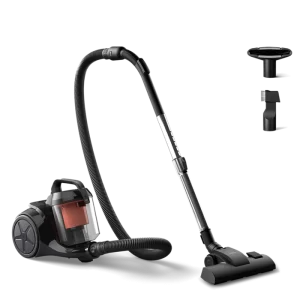
A canister vacuum separates the motor from the cleaning wand.
Benefits include:
- Better maneuverability
- Easier stair cleaning
- Excellent for hard floors
- Works well on furniture
Stick Vacuum Cleaner
Stick vacuums are lightweight and cordless.
Perfect for:
- Apartments
- Daily cleaning
- Small homes
Pros:
- Lightweight
- Portable
- Quick cleaning
Cons:
- Smaller battery
- Smaller dust bin
Robot Vacuum Cleaner
Robot vacuum cleaners automatically clean floors with minimal supervision.
Features often include:
- Smart navigation
- Wi-Fi connectivity
- Scheduled cleaning
- Auto charging
- App control
Ideal for busy households.
Handheld Vacuum Cleaner
Compact and portable.
Best for cleaning:
- Cars
- Sofas
- Mattresses
- Curtains
- Furniture
- Small spills
Wet and Dry Vacuum Cleaner
Designed to clean both liquid and dry debris.
Popular for:
- Workshops
- Garages
- Construction sites
- Warehouses
- Commercial cleaning
Choosing the Best Vacuum Cleaner
Not every vacuum cleaner suits every environment.
Here are the most important buying factors.
Suction Power
Higher suction generally delivers better cleaning performance.
Especially important for:
- Thick carpets
- Pet owners
- Heavy dust
- Commercial cleaning
Floor Type
Different vacuum cleaners perform differently depending on flooring.
| Floor Type | Recommended Vacuum |
|---|---|
| Tiles | Stick or Canister |
| Hardwood | Canister |
| Carpet | Upright |
| Rugs | Upright |
| Office | Canister |
| Warehouse | Wet & Dry |
Bag or Bagless?
Choose bagged if you:
- Have allergies
- Prefer cleaner disposal
Choose bagless if you:
- Want lower maintenance costs
- Prefer reusable dust containers
Corded vs Cordless
Corded
Pros
- Unlimited runtime
- Strong suction
Cons
- Limited movement
Cordless
Pros
- Portable
- Lightweight
- Convenient
Cons
- Battery limitations
Filtration
Homes with children, asthma sufferers, or pets should consider HEPA filtration for improved air quality.
Noise Level
Modern premium vacuum cleaners operate much more quietly than older models.
Lower noise levels are especially beneficial in:
- Offices
- Apartments
- Hotels
- Hospitals
Accessories
Useful attachments include:
- Crevice tool
- Dust brush
- Upholstery brush
- Pet hair tool
- Extension wand
- Turbo brush
Vacuum Cleaner vs Traditional Cleaning
| Feature | Vacuum Cleaner | Broom |
|---|---|---|
| Removes dust | Excellent | Fair |
| Air quality | Better | Poor |
| Carpet cleaning | Excellent | Limited |
| Pet hair | Excellent | Poor |
| Allergens | Removes | Redistributes |
| Speed | Fast | Moderate |
Vacuum Cleaner Pricing in Kenya
Vacuum cleaner prices vary depending on brand, capacity, and features.
Typical price ranges:
| Type | Estimated Price |
|---|---|
| Handheld | KSh 4,000–12,000 |
| Stick | KSh 8,000–35,000 |
| Canister | KSh 10,000–45,000 |
| Upright | KSh 15,000–60,000 |
| Robot | KSh 30,000–120,000 |
| Commercial Wet & Dry | KSh 20,000–150,000+ |
Premium brands typically offer stronger motors, longer warranties, and better filtration systems.
Common Vacuum Cleaner Mistakes
Many buyers focus only on price.
Instead, avoid these common mistakes.
Buying Too Small
A small vacuum may struggle in larger homes.
Ignoring Filter Quality
Cheap filters may allow fine dust back into the room.
Forgetting Spare Parts
Check that replacement:
- Filters
- Bags
- Brushes
- Batteries
are readily available.
Not Considering Noise
Very noisy machines may not suit apartments or offices.
Choosing Weak Suction
Powerful suction improves cleaning efficiency and reduces cleaning time.
Vacuum Cleaner Maintenance Tips
Proper maintenance extends your vacuum cleaner’s lifespan.
Regularly:
- Empty the dust container
- Replace filters
- Wash reusable filters
- Clean brushes
- Remove tangled hair
- Check hoses for blockages
- Store in a dry location
Following the manufacturer’s maintenance recommendations helps maintain peak performance.
Best Vacuum Cleaner for Beginners
If you’re buying your first vacuum cleaner, look for:
- Easy controls
- Lightweight design
- Good suction
- Reliable filtration
- Affordable replacement filters
- Multi-floor compatibility
A canister or cordless stick vacuum is often a practical starting point for most households.
Who Should Buy a Vacuum Cleaner?
Vacuum cleaners are ideal for:
- Homeowners
- Apartment residents
- Businesses
- Hotels
- Schools
- Hospitals
- Retail shops
- Property managers
- Cleaning companies
They help maintain cleaner, healthier, and more professional spaces.


