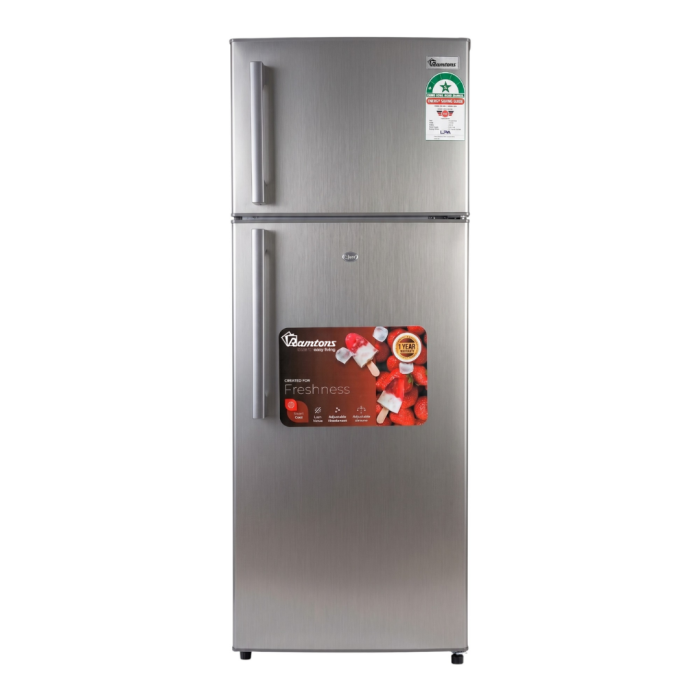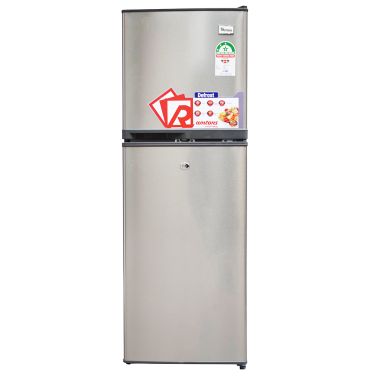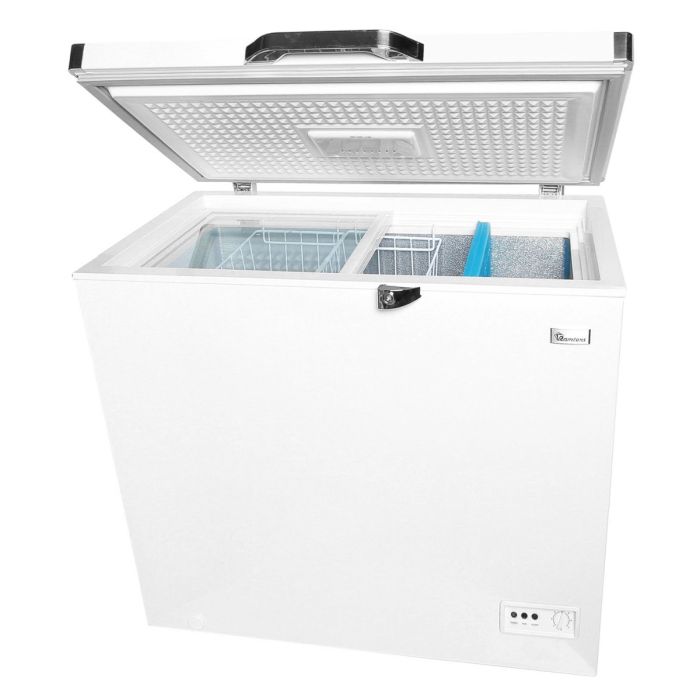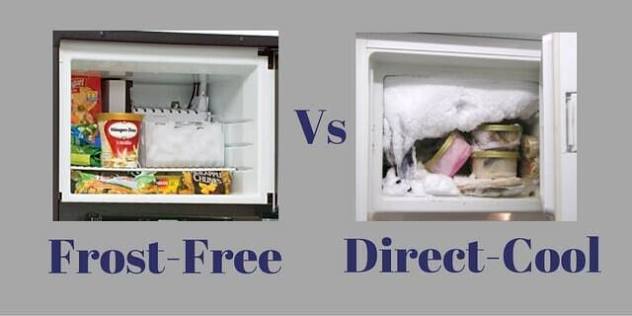
Direct cool vs no frost fridge is one of the most important comparisons to make when buying a refrigerator in Kenya. The two types differ mainly in how they circulate cold air, how often they require defrosting, how food is stored, how much convenience they provide and how much you may pay upfront.
For some Kenyan households, a direct-cool refrigerator can be the practical choice because of its straightforward cooling system and potentially lower purchase price. For others, a no-frost refrigerator is worth paying more for because it automatically prevents frost buildup and offers greater convenience.
Understanding the difference before shopping can help you avoid choosing a fridge simply because it looks attractive or has a lower price. The right refrigerator should match your household size, shopping habits, available space, electricity situation, budget and willingness to perform regular maintenance.
This direct cool vs no frost fridge guide compares both options for Kenyan kitchens, including defrosting, electricity consumption, food storage, maintenance, capacity, price and everyday convenience.
What Is the Difference Between Direct Cool and No-Frost Fridges?
The main difference in a direct cool vs no frost fridge comparison is how the refrigerator distributes cold air. Direct-cool models rely mainly on natural convection, while no-frost models use a fan to circulate cold air and automatically manage frost buildup.
A direct-cool refrigerator produces cold air that circulates naturally inside the compartment. Because the cooling process is less mechanically complex, these refrigerators are often straightforward to operate.
The disadvantage is that frost can gradually accumulate inside the freezer compartment. Depending on the model and usage conditions, the owner may eventually need to switch off the refrigerator and manually remove the accumulated ice.
A no-frost refrigerator works differently. It uses a fan-assisted cooling system to circulate cold air throughout the compartment while an automatic defrost system periodically manages frost formation.
That means you normally do not have to perform traditional manual defrosting.
When considering direct cool vs no frost fridge options, this distinction is particularly important for households that want a low-maintenance refrigerator.
The basic difference can be summarised as follows:
| Feature | Direct Cool | No-Frost |
|---|---|---|
| Cooling method | Natural circulation | Fan-assisted circulation |
| Manual defrosting | Usually required periodically | Normally not required |
| Frost buildup | More likely | Automatically controlled |
| Purchase price | Often lower | Often higher |
| Convenience | Basic | Higher |
| Temperature distribution | Can vary by location | More even circulation |
| Maintenance | Simple but requires defrosting | More automated |
| Best suited to | Budget-conscious households | Convenience-focused households |
This makes the direct cool vs no frost fridge decision less about one technology being universally superior and more about which features matter most to you.
Direct Cool vs No Frost Fridge: Which Is Better?
Neither refrigerator type is automatically best for every Kenyan household. Direct cool can offer good value for buyers who prioritise simplicity and lower upfront cost, while no-frost is generally better for households that prioritise convenience and minimal manual defrosting.
If your main concern is keeping the initial purchase price manageable, a direct-cool refrigerator may deserve serious consideration.
If you dislike the idea of periodically removing food and manually clearing ice, no-frost technology can be more attractive.
The direct cool vs no frost fridge choice should therefore begin with your lifestyle rather than the assumption that the newest technology is always the right choice.
Think about how frequently you shop for food.
If you regularly buy fresh food in small quantities and do not keep large amounts of frozen food, a basic direct-cool model may provide everything you need.
If your household stores a large quantity of food, freezes meat regularly or wants a refrigerator that requires less manual intervention, a no-frost model may be more convenient.
The best choice also depends on your budget. Paying more for no-frost technology may make sense if you plan to keep the refrigerator for many years and value the convenience.
Do Direct-Cool Fridges Need Defrosting?
Yes, direct-cool refrigerators generally require periodic manual defrosting because frost can accumulate inside the freezer compartment. How frequently you need to defrost depends on the refrigerator design, usage and environmental conditions.
This is one of the biggest differences in a direct cool vs no frost fridge comparison.
When frost accumulates, it can gradually reduce usable freezer space. A thick layer of ice can also make it more difficult to organise frozen food.
Manual defrosting usually involves removing food from the freezer, switching off the appliance and allowing the accumulated ice to melt.
The process is not necessarily difficult, but it takes time.
You should never use sharp objects to force ice off the freezer walls because this can damage the appliance or refrigerant system.
Instead, follow the manufacturer’s defrosting instructions.
For someone who wants minimal maintenance, this is where a no-frost refrigerator becomes attractive.
A no-frost system is designed to prevent the kind of frost accumulation that requires traditional manual defrosting.
Therefore, if the question is direct cool vs no frost fridge based purely on defrosting convenience, no-frost has a clear advantage.
How Does No-Frost Technology Work?
A no-frost refrigerator uses a fan to circulate cold air and an automatic defrost system to reduce frost accumulation. This allows the freezer and refrigerator compartments to operate without the regular manual defrosting associated with many direct-cool designs.
The system continuously circulates cold air rather than relying only on natural convection.
Moisture that would otherwise freeze on the cooling surfaces is managed through the automatic defrost cycle.
The resulting experience is much more convenient for everyday users.
However, no-frost technology also means the refrigerator contains additional components compared with a basic direct-cool design.
There is generally a fan, additional controls and an automatic defrost mechanism.
That additional technology does not automatically mean a no-frost fridge is unreliable. It simply means there are more components involved in the cooling system.
In a direct cool vs no frost fridge comparison, this is one reason some buyers prefer the simplicity of direct-cool models while others prefer the convenience of no-frost.
Direct Cool vs No Frost Fridge and Electricity Consumption
Electricity consumption should be judged from the specific refrigerator’s energy efficiency, size, compressor technology and usage rather than assuming that all direct-cool models use less power than all no-frost models.
This is an important point when comparing direct cool vs no frost fridge models.
It is easy to assume that direct-cool refrigerators always consume less electricity because their cooling systems are simpler.
However, actual consumption varies considerably between models.
A modern energy-efficient refrigerator with an inverter compressor can perform differently from an older conventional model, regardless of whether the refrigerator is direct-cool or no-frost.
Capacity also matters.
A 500-litre refrigerator naturally has different energy requirements from a compact 150-litre model.
How you use the appliance also matters. Frequently opening the door, placing hot food inside, leaving doors partially open or positioning the refrigerator in an excessively hot location can affect energy performance.
When making a direct cool vs no frost fridge comparison, check the manufacturer’s stated energy information for the exact model you are considering.
Do not make the decision solely from the words “direct cool” or “no frost.”
Which Fridge Is Cheaper to Buy in Kenya?
Direct-cool refrigerators are often positioned at lower entry prices, while no-frost refrigerators generally cost more because they incorporate additional cooling and automatic defrost technology. The actual price difference depends on brand, capacity, features and model.
For budget-conscious households, price is an important part of the direct cool vs no frost fridge decision.
A basic direct-cool refrigerator can provide essential food storage without paying for features you may not need.
This can make it attractive to students, smaller households, landlords furnishing rental units or first-time appliance buyers.
No-frost models usually sit higher in the price range, particularly when they also include larger capacities, inverter technology, digital controls, multi-airflow systems or smart features.
However, purchase price is only one part of the calculation.
If you use the refrigerator every day for many years, paying more for convenience may be worthwhile.
For example, someone who hates manual defrosting may find the additional cost of no-frost technology justified.
Someone who rarely uses the freezer and wants a simple refrigerator may prefer direct-cool.
The right direct cool vs no frost fridge choice therefore depends on whether you want to minimise upfront cost or maximise convenience.
Which Fridge Keeps Food Fresher?
Both refrigerator types can keep food properly chilled when operated correctly, but no-frost models can offer more consistent air circulation across different areas of the compartment. Food freshness ultimately depends on temperature settings, storage practices, food quantity and refrigerator performance.
A common misconception in the direct cool vs no frost fridge debate is that one technology automatically keeps food fresh while the other does not.
In reality, food preservation depends on several factors.
The refrigerator should maintain an appropriate temperature.
Food should be stored correctly.
The doors should not remain open unnecessarily.
The appliance should not be overloaded to the point that air cannot circulate properly.
No-frost refrigerators have an advantage in air circulation because the fan distributes cold air around the compartment.
This can help reduce temperature differences between various areas of the refrigerator.
Direct-cool refrigerators rely more heavily on natural circulation, so some areas can be colder than others.
That does not make direct-cool refrigeration unsuitable for food storage. It simply means that users may need to pay more attention to how different foods are positioned.
Direct Cool vs No Frost Fridge for Large Families
Large families often benefit from no-frost refrigerators because greater food storage means greater convenience from automatic defrosting and organised air circulation. However, a large-capacity direct-cool refrigerator can still be suitable if budget and simplicity are the priorities.
A large family may open the refrigerator many times each day.
The freezer may also be used regularly for meat, vegetables, prepared meals and other food.
This makes convenience particularly valuable.
When comparing direct cool vs no frost fridge options for a large family, consider both capacity and technology.
A larger refrigerator should have enough usable storage for your normal shopping pattern.
You should also consider how much freezer capacity you actually require.
If the family buys food in bulk, freezer capacity becomes more important.
No-frost technology can then make everyday use easier because frost accumulation does not regularly reduce freezer space.
A direct-cool model may still be an excellent value choice if the family is comfortable with periodic defrosting.
Direct Cool vs No Frost Fridge for Small Households
Small households can often save money with a compact direct-cool refrigerator if they do not mind occasional defrosting. A no-frost model becomes more attractive when convenience, frequent freezer use or long-term ease of maintenance matters more than the lowest purchase price.
For one or two people, a massive refrigerator may simply waste space and money.
A compact direct-cool refrigerator can provide sufficient storage for everyday groceries.
Students and young professionals may particularly value affordability.
Landlords furnishing bedsitters and compact apartments may also prioritise straightforward appliances.
However, a smaller household does not automatically mean direct-cool is the better choice.
If you have a busy schedule and do not want to spend time defrosting a freezer, no-frost may still be preferable.
The direct cool vs no frost fridge decision should therefore consider lifestyle as much as household size.
Maintenance Differences Between the Two Fridge Types
Direct-cool refrigerators have simpler cooling systems but usually require periodic manual defrosting. No-frost refrigerators automate frost management but contain additional components that may require professional attention if a fault develops.
Maintenance is another important consideration in the direct cool vs no frost fridge comparison.
With a direct-cool model, manual defrosting is part of normal ownership.
You should also keep the interior clean, check the door seal and make sure the refrigerator has adequate ventilation.
No-frost models remove the routine manual defrosting requirement.
However, users should still clean the refrigerator regularly and maintain adequate ventilation.
If a no-frost fan or automatic defrost component develops a fault, professional diagnosis may be required.
This is one reason it is sensible to consider the availability of after-sales service and warranty support when purchasing a refrigerator.
A refrigerator is a long-term appliance, so buying from a supplier that provides genuine products and appropriate support can be just as important as comparing features.
Direct Cool vs No Frost Fridge and Kenyan Climate
Kenyan households experience different temperatures and environmental conditions depending on location, so refrigerator placement and ventilation matter regardless of cooling technology. A fridge should be positioned according to the manufacturer’s clearance and operating recommendations.
The climate in Nairobi differs from the Coast, while conditions in western and northern parts of the country can also vary.
However, the basic refrigerator principles remain the same.
Avoid placing the appliance where it receives excessive direct sunlight.
Allow adequate ventilation around the refrigerator.
Do not block ventilation openings.
Avoid repeatedly opening the door unnecessarily.
For coastal homes, humidity can make frost and condensation considerations particularly relevant.
This makes understanding the direct cool vs no frost fridge difference useful, but it should not be treated as a substitute for following the manufacturer’s installation instructions.
A no-frost refrigerator can provide greater convenience in humid conditions, but the exact performance depends on the model.
What Size Refrigerator Should You Buy?
Choose refrigerator capacity according to household size, shopping frequency and the amount of fresh and frozen food you normally store. Buying a refrigerator that is significantly larger than your needs can increase purchase and operating costs, while choosing one that is too small can quickly become frustrating.
Capacity is sometimes more important than the direct cool vs no frost fridge technology itself.
Before shopping, think about your normal weekly groceries.
A couple that shops several times per week may need less capacity than a large family that buys food in bulk.
If you regularly store frozen meat, frozen vegetables or prepared meals, give the freezer section particular attention.
If fresh produce is your priority, focus on refrigerator compartment layout and shelf configuration.
Al Mansoor’s fridges and freezers category can be used to explore different refrigerator options before making a final choice.
Direct Cool vs No Frost Fridge for Power-Sensitive Homes
Homes that are particularly concerned about electricity costs should compare the exact model’s energy performance rather than choosing purely by cooling technology. Inverter compressors, refrigerator size, temperature settings and everyday usage can all influence power consumption.
Electricity costs are an important consideration for Kenyan households.
A refrigerator operates continuously, unlike appliances that are switched on for only a few hours.
This makes efficiency worth considering over the entire ownership period.
When comparing direct cool vs no frost fridge models, check whether each model uses inverter compressor technology where applicable.
Compare capacity as well.
A smaller, efficient refrigerator may be more economical than a much larger refrigerator loaded with unnecessary features.
Also consider the condition of the door seals and how often the refrigerator is opened.
If you are replacing an old refrigerator, upgrading to a newer energy-efficient model can make a noticeable difference in overall appliance performance.
How to Choose Between Direct Cool and No-Frost
Choose direct cool if your priority is a lower purchase price, straightforward operation and simple refrigeration. Choose no-frost if you value automatic defrosting, more even air circulation and greater day-to-day convenience.
A practical direct cool vs no frost fridge decision can be made by asking a few questions.
Do you mind manually defrosting a freezer?
If the answer is yes, no-frost is probably more suitable.
Is your budget tightly limited?
If so, a good direct-cool refrigerator may provide better immediate value.
Do you freeze large quantities of food?
If yes, no-frost can be particularly convenient.
Do you want the simplest possible refrigerator?
Direct-cool may be worth considering.
Do you want a more automated refrigerator?
No-frost is likely the better fit.
Are you buying for a large family?
Look beyond cooling technology and prioritise capacity, layout and freezer space.
Are you furnishing a rental property?
A simple and durable direct-cool refrigerator may be a practical option depending on the target tenant and budget.
Buying Your Fridge in Kenya
The best refrigerator purchase combines the right cooling technology with appropriate capacity, energy performance, build quality, warranty and after-sales support. Compare the exact model rather than choosing only by brand or the direct-cool/no-frost label.
When shopping, compare the refrigerator’s dimensions against the available kitchen space.
Measure doorways and corridors.
Check whether the doors can open fully once the fridge is installed.
Consider the location of electrical sockets.
Then compare capacity.
Next, consider whether you prefer direct cool or no frost.
Al Mansoor offers multiple home-appliance categories, including kitchen appliances and small home appliances, allowing customers to plan several household appliance purchases together.
If you are furnishing an entire kitchen, you may also need a cooker or other cooking equipment. Explore the available cooking appliances when planning your purchase.
Direct Cool vs No Frost Fridge: Common Buying Mistakes
The biggest mistake is assuming that the refrigerator with the most features is automatically the best choice. Buyers should instead match capacity, cooling technology, energy performance and price to their actual household requirements.
One common mistake is buying a refrigerator that is too small.
Another is paying for a very large refrigerator when the household rarely stores much food.
Some buyers also focus heavily on appearance while ignoring dimensions and internal storage layout.
Another mistake in the direct cool vs no frost fridge comparison is assuming that direct-cool always means poor quality.
It does not.
A well-built direct-cool refrigerator can be a practical and economical appliance.
Likewise, no-frost should not automatically be interpreted as better in every category.
The buyer needs to consider the entire product.
Check the warranty.
Confirm the manufacturer’s specifications.
Compare capacity.
Consider energy efficiency.
Check whether replacement parts and technical support are available.
Then make the decision based on your priorities.
Is No-Frost Worth the Extra Money?
No-frost can be worth paying more for if you value convenience, regularly use your freezer or dislike manual defrosting. If your budget is limited and you are comfortable with periodic defrosting, a quality direct-cool refrigerator can offer excellent value.
This is ultimately the most personal part of the direct cool vs no frost fridge decision.
Imagine two buyers.
The first buyer has a limited budget, lives alone and rarely uses the freezer. Manual defrosting once in a while is not a major problem.
A direct-cool refrigerator may make perfect sense.
The second buyer has a large family, freezes food regularly and wants to minimise household maintenance.
The additional cost of no-frost technology may be justified.
Neither buyer is wrong.
The important thing is matching the appliance to actual needs rather than buying based on a generic claim that one technology is universally superior.
Frequently Asked Questions
Is direct cool better than no frost?
Not necessarily. In a direct cool vs no frost fridge comparison, direct cool is often better for buyers who prioritise simplicity and lower initial cost, while no-frost is better for buyers who prioritise convenience and automatic defrosting.
Which fridge type is best in Kenya?
The best refrigerator depends on your household. A direct cool vs no frost fridge decision should consider budget, capacity, food storage habits, defrosting preferences, energy performance and warranty support.
Does a direct-cool fridge use less electricity?
Not automatically. Actual electricity consumption depends on the specific refrigerator, capacity, compressor, energy efficiency and how it is used.
How often should a direct-cool fridge be defrosted?
There is no single schedule for every refrigerator. Defrost when frost accumulation becomes significant and follow the manufacturer’s instructions.
Does a no-frost fridge need defrosting?
A properly functioning no-frost refrigerator is designed to manage frost automatically, so routine manual defrosting is normally unnecessary.
Which fridge is cheaper in Kenya?
Direct-cool models are often available at lower purchase prices, while no-frost models commonly cost more because of their additional technology and convenience features.
Is no-frost better for large families?
It can be. Large families often benefit from the convenience of automatic defrosting and circulating cold air, especially when the freezer is used frequently.
Is direct cool good for a small household?
Yes. A compact direct-cool refrigerator can be a practical choice for a small household that wants essential cooling without paying extra for features it may not need.
Can I store frozen meat in a direct-cool fridge?
Yes. The freezer compartment can be used for frozen food, provided the appliance is operated according to the manufacturer’s instructions and maintained properly.
Should I buy an inverter fridge?
An inverter refrigerator can be worth considering if energy efficiency and long-term operating costs are important to you. Compare the exact model’s specifications rather than assuming all inverter models perform identically.
Final Verdict: Direct Cool or No-Frost?
Choose direct cool if affordability, simplicity and straightforward operation are your priorities. Choose no-frost if automatic defrosting, convenient freezer use and more even air circulation are more important to you.
The direct cool vs no frost fridge debate does not have one answer that works for every Kenyan kitchen.
A direct-cool refrigerator can be an excellent choice for a buyer who wants dependable basic refrigeration at a manageable price.
A no-frost refrigerator can be the better investment for someone who wants less manual maintenance and greater convenience.
Think about how often you shop.
Think about how much food you freeze.
Think about your household size.
Think about your budget.
Think about how much you value convenience.
Then compare actual refrigerator models against those requirements.
The right direct cool vs no frost fridge is ultimately the one that fits your kitchen, your food-storage habits and your budget without paying for features you do not need.
Before purchasing, compare the available fridges and freezers and check the exact product specifications, capacity, warranty and delivery arrangements.
Whether you choose direct cool or no-frost, buying the correct size and a genuine, properly supported appliance can make a much bigger difference to your long-term ownership experience than choosing based on technology alone.