Buying appliances for resale is different from buying a single fridge, cooker or television for your home. Shops, resellers, property suppliers and commercial buyers need reliable stock, consistent specifications, workable margins and a supplier that can handle larger orders without creating unnecessary delays.
Wholesale appliance supply in Kenya gives retailers and trade buyers a more organised way to source multiple appliances, negotiate bulk requirements and plan deliveries around their stock or projects. Instead of purchasing products individually whenever demand arises, a trade buyer can work with a supplier to identify suitable appliance categories, request a bulk quotation and coordinate delivery according to the needs of the business.
For a retailer, the right supplier can become part of the business’s procurement system. For a reseller, it can make it easier to fulfil customer orders without holding every model in stock. For property developers and furnishing companies, wholesale purchasing can simplify the process of fitting out multiple apartments, offices, furnished rentals or hospitality spaces.
If you are comparing options for wholesale home appliances Kenya businesses can source, the most important question is not simply who offers the lowest unit price. You also need to consider product availability, brand selection, warranty support, ordering processes, delivery arrangements and whether the supplier understands trade purchasing.
What Does Wholesale Appliance Supply in Kenya Mean?
Wholesale appliance supply in Kenya refers to purchasing home appliances in larger quantities or for commercial resale rather than buying individual units for personal use. The arrangement can involve retailers, distributors, resellers, landlords, property managers, developers and other businesses that need several appliances at once.
A wholesale order does not necessarily mean buying hundreds of identical products. A retailer may require a mixed order containing refrigerators, cookers, televisions, washing machines, microwaves and small kitchen appliances.
The exact structure depends on the buyer’s business.
A home appliance shop may purchase selected fast-moving models for its showroom and warehouse. An online reseller may order against confirmed customer demand. A property company may need the same refrigerator and cooker specification across several apartments. A hotel or furnished-apartment operator may require a broader combination of appliances for different rooms and shared spaces.
This is why a good bulk appliance supplier Nairobi businesses can work with should be able to discuss the application rather than simply quote a product in isolation.
For buyers comparing appliance distributor Kenya options, the supplier’s ability to handle different categories can also be important. Consolidating an order can reduce procurement complexity because the buyer does not have to source every appliance from a different business.
Who Buys Appliances on Trade Terms?
Trade appliance purchasing is useful for businesses that regularly buy appliances for resale, installation, furnishing or commercial use. The buyer may be a retailer, reseller, property company, contractor, hospitality business or organisation purchasing equipment for several locations.
Traditional electronics and appliance shops are an obvious customer for wholesale appliance supply in Kenya. They need products that can be resold while maintaining a commercially viable margin.
However, the trade market extends beyond conventional retailers.
Online sellers may use wholesale suppliers to fulfil customer orders without maintaining a large physical showroom. Interior designers and furnishing companies may need appliances as part of complete home packages. Developers may need appliances for newly completed apartments. Landlords may purchase appliances for furnished rentals.
Airbnb operators and serviced-apartment businesses can also benefit when several properties need similar equipment.
A corporate housing provider, for example, may need televisions, refrigerators, microwaves and washing machines across multiple units. Buying those products individually can create unnecessary administrative work.
The same applies to contractors who are responsible for supplying appliances as part of a larger project.
The key advantage is coordination. Instead of treating every appliance as a separate purchase, the buyer can approach the supplier with a broader requirement.
Why Businesses Use Wholesale Home Appliances Kenya Suppliers
Wholesale home appliances Kenya businesses rely on can simplify procurement, improve order consistency and make larger purchasing requirements easier to manage. The benefit is not only the possibility of a better commercial price; it is also the ability to coordinate products, quantities and delivery.
For a retailer, bulk buying can help maintain stock levels for products that sell consistently.
Suppose a shop regularly sells selected refrigerators and televisions. Running out of popular products can mean turning customers away or sending them elsewhere. A trade purchasing arrangement gives the retailer an opportunity to plan replenishment rather than waiting until shelves are empty.
For a property project, the advantage is even clearer.
Ordering 20 refrigerators individually would create multiple purchasing decisions and potentially different specifications. A consolidated order allows the buyer to establish the required specification first and then source the units together.
This can make installation, replacement and future maintenance easier because the property has a more consistent appliance range.
The same principle applies to furnished apartments. When units have similar layouts, selecting matching or appropriately specified appliances can create a more consistent guest experience.
Wholesale purchasing can therefore be about operational efficiency, not just price.
Opening a Trade Account for Appliance Purchases
A trade account can create a more structured relationship between an appliance supplier and a repeat commercial buyer. Depending on the supplier’s policies, the account may help organise quotations, orders, customer information and repeat purchases.
Businesses interested in trade account appliances Kenya suppliers should first establish what information the supplier requires to set up the account.
This may include basic business and contact information, the nature of the business, delivery requirements and purchasing expectations.
The process should also establish who is authorised to place orders on behalf of the company. This becomes particularly important when several people handle purchasing, accounts or logistics.
A clear trade account arrangement can make repeat ordering easier because the supplier already understands the buyer’s business.
However, buyers should not assume that opening a trade account automatically means every order receives the same terms.
Pricing may depend on quantity, model, availability and the structure of the specific quotation. Delivery arrangements can also vary according to location and order size.
The best approach is to discuss the expected purchasing pattern with the supplier before placing a major order.
What to Include When Requesting a Bulk Quote
A useful bulk quotation request should give the supplier enough information to price the complete requirement accurately. The more precise the request, the easier it is to compare quotations and avoid misunderstandings later.
Start with the appliance categories required.
For example, a retailer might request:
- Refrigerators
- Cookers
- Washing machines
- Televisions
- Microwaves
- Blenders
- Electric kettles
Then specify the quantities.
If particular brands are preferred, include them. If the buyer is open to alternatives, say so.
Specifications are also important. A television order should identify the preferred screen sizes and key features. A refrigerator requirement may need capacity, configuration or preferred type. A washing-machine order may need the approximate load capacity and desired configuration.
For kitchen appliances, the buyer should distinguish between products intended for home use and those intended for heavier commercial environments.
A good quotation request can also include the required delivery location and preferred delivery schedule.
For a multi-unit project, indicate whether the entire order can arrive together or whether delivery needs to be staged.
This gives the bulk appliance supplier Nairobi buyer is approaching a clearer picture of the actual requirement.
Why Product Specifications Matter in Bulk Buying
Bulk purchasing makes specification control more important because a mistake can affect several units rather than one appliance. Before approving a large order, buyers should confirm model numbers, capacities, dimensions, power requirements and other specifications relevant to the installation.
A retailer may care primarily about the models customers request most often. A property developer may be more concerned with dimensions and installation requirements.
For example, a refrigerator that fits comfortably in one kitchen may not fit into another apartment’s allocated space.
Similarly, a cooker must be appropriate for the kitchen’s fuel and installation arrangement.
Televisions require consideration of screen size and mounting requirements. Washing machines may require sufficient space, appropriate water connections and suitable drainage.
When purchasing multiple units, these details should be resolved before the order is confirmed.
This is one reason an experienced appliance distributor Kenya businesses can rely on should be able to discuss the intended use of the products.
The buyer is not simply purchasing boxes. They are purchasing equipment that needs to work within a particular commercial environment.
Choosing Appliances for Resale
Retailers should select wholesale appliances based on customer demand, product positioning and the type of stock their market can support. Buying the cheapest available products is not always the best wholesale strategy if customers are looking for particular brands, features or quality levels.
A retailer serving a value-conscious market may require affordable and practical appliances.
Another shop may target customers looking for premium televisions, larger refrigerators, advanced washing machines or higher-end kitchen equipment.
The product mix should therefore match the shop’s customer base.
A retailer can also use different product tiers.
Entry-level products can serve customers prioritising affordability. Mid-range appliances can address the largest part of the market. Premium products can serve customers willing to pay for additional features, capacity or brand positioning.
A wholesale supplier with multiple categories can help the retailer create a broader product mix.
For businesses comparing wholesale home appliances Kenya suppliers, the ability to source across several categories can be particularly valuable.
Appliance Categories Commonly Purchased in Bulk
Bulk appliance purchasing can cover everything from major household appliances to smaller kitchen and home products. The right combination depends on whether the buyer is reselling products, furnishing properties or supplying a commercial project.
Refrigerators and Freezers
Refrigerators are among the most important appliance categories for retailers and furnished-property operators.
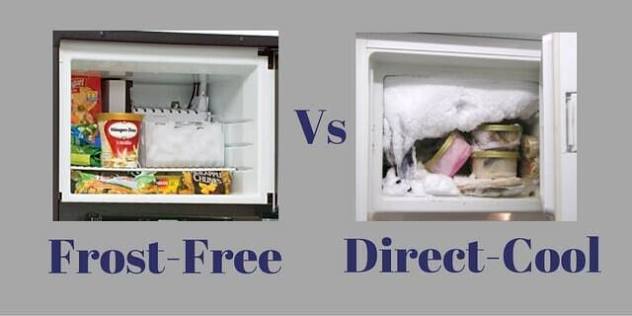
Buyers can compare different capacities, configurations and features depending on their customers and applications.
For a retailer, maintaining a selection of refrigerator types can help serve different household sizes and budgets.
For a property project, the priority may be consistency and appropriate capacity.
Businesses can explore the available Fridges & Freezers when planning a larger appliance requirement.
Cookers and Cooking Appliances
Cookers are another important category for retail and property fit-outs.
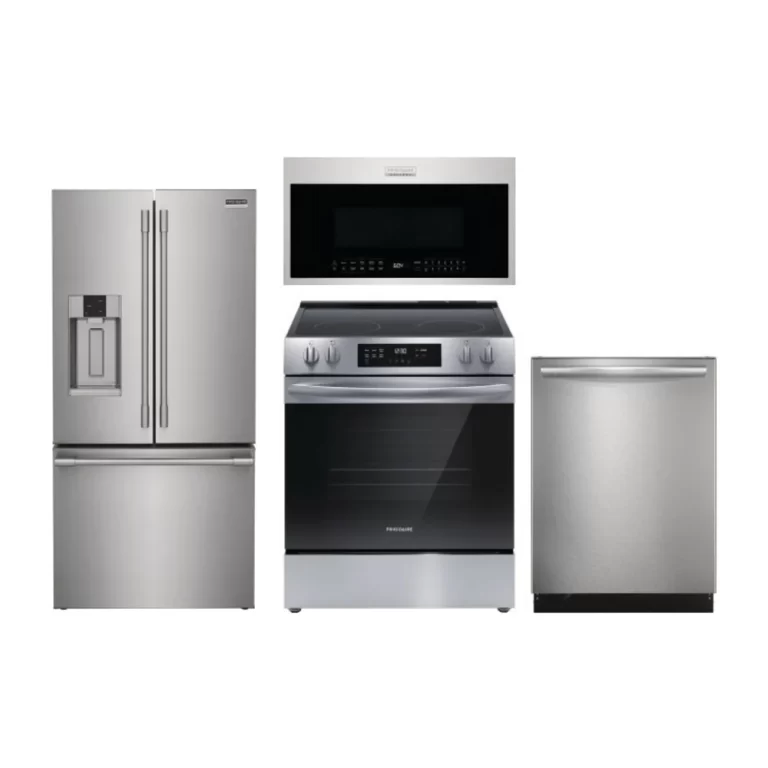
A buyer may need gas, electric or other cooking configurations depending on the intended installation.
The surrounding kitchen design also matters. Dimensions, burner configuration and oven capacity should be confirmed before purchasing multiple units.
For trade buyers, Cooking Appliances provide a useful starting point when building a mixed appliance order.
Washing Machines
Laundry appliances are particularly relevant to furnished apartments, rental properties, hotels and household appliance retailers.
A buyer should consider capacity, loading configuration, dimensions and the needs of the intended users.
Retailers may stock several capacities because households have different laundry requirements.
Property operators, on the other hand, may prefer consistent models across several units.
The Laundry & Garment Care category can help buyers identify products for a broader trade requirement.
Televisions and Audio Equipment
Televisions are common in both retail and property furnishing orders.
A reseller may stock several screen sizes to address different customer budgets.
Furnished apartments may need a consistent screen size across units, while hotels or commercial spaces may have different requirements.
Buyers can review Audio & Televisions when building a larger electronics order.
Kitchen and Small Appliances
Smaller products can be useful additions to a wholesale order.
Microwaves, kettles, blenders and other kitchen appliances can form part of a complete furnished-property package or provide additional stock for a retailer.
The Kitchen Appliances category is relevant for buyers looking beyond major appliances.
For smaller household equipment, Small Home Appliances can also be considered.
How Bulk Quotes Should Be Compared
The lowest quoted unit price should not automatically determine which wholesale appliance supplier wins the order. Businesses should compare the complete commercial offer, including product specification, availability, warranty arrangements, delivery and after-sales support.
Start by checking that the quoted products are actually comparable.
Two refrigerators may have similar external dimensions but different capacities or features. Two televisions may have the same screen size but different panel technology or smart functionality.
Once the specifications are aligned, compare the unit prices and total order value.
Then consider availability.
A cheaper product that cannot be delivered when required may create greater costs for the buyer.
Delivery is particularly important for project purchases. If a property is scheduled for handover, delayed appliances can delay occupancy.
Warranty and after-sales support should also form part of the comparison.
A commercial buyer should understand what happens if an appliance develops a fault and how the warranty process is handled.
This broader approach makes it easier to evaluate an appliance distributor Kenya businesses can use repeatedly rather than simply finding the cheapest quotation for one transaction.
Staged Delivery for Large Appliance Orders
Staged delivery allows a large appliance order to arrive in manageable batches rather than necessarily being delivered all at once. This can be useful when a project is being completed in phases or when the buyer has limited storage capacity.
Imagine a property company fitting out 30 apartments.
The kitchens may be completed before the bedrooms and entertainment areas. Instead of receiving every appliance at once, the buyer may prefer delivery to follow the construction schedule.
The same principle can apply to retailers.
A shop may place a larger order while requesting delivery in stages based on available warehouse space.
For businesses operating in Nairobi and surrounding areas, delivery planning should be discussed before the quotation is finalised.
The supplier needs to understand the delivery locations, quantities and preferred timing.
For larger orders, buyers should also consider access.
A building without suitable loading access, a narrow entrance or an upper-floor installation requirement may require additional planning.
These details should not be left until the delivery vehicle arrives.
Storage and Handling After Delivery
Wholesale buyers should plan storage before accepting a large appliance shipment because poor handling can create avoidable damage. Appliances should be kept in suitable conditions and moved using appropriate handling practices.
Refrigerators, washing machines and televisions can be particularly vulnerable to incorrect handling.
Retailers should have enough space to receive stock without blocking customer areas or creating unsafe storage conditions.
Project buyers should also coordinate delivery with the site team.
If appliances arrive before the building is secure or before installation areas are ready, there may be unnecessary exposure to damage, theft or construction dust.
The delivery schedule should therefore be linked to project readiness.
This is another advantage of working with a supplier that understands trade requirements. A commercial order involves more than loading products onto a truck.
Wholesale Appliance Supply for Property Developers
Property developers can use wholesale appliance supply in Kenya to coordinate appliances across multiple residential or furnished units. Buying several appliances together can make it easier to maintain consistent specifications and plan installation.
A developer fitting out apartments may require refrigerators, cookers, washing machines and televisions.
Instead of sourcing each item separately, the developer can create an appliance schedule based on the unit type.
For example, larger apartments may require larger refrigerators or washing machines, while smaller units may use more compact products.
The developer can then request a consolidated quotation.
This approach can also make replacement planning easier.
If several units use the same or closely related appliance models, the property manager has a clearer record of what was installed.
That information becomes valuable when appliances eventually require replacement.
Wholesale Appliance Supply for Landlords and Furnished Rentals
Landlords and furnished-apartment operators can use bulk purchasing to create consistent appliance packages across rental units. The objective is usually to provide the appliances tenants expect while balancing durability, functionality and the property’s rental positioning.
A furnished apartment may require a refrigerator, cooker, microwave, washing machine and television.
Additional small appliances may be added depending on the property.
The purchasing decision should reflect the type of tenant and rental market.
A premium furnished apartment may require higher-end appliances and larger televisions.
A more affordable rental may prioritise practical products with straightforward controls and reasonable operating costs.
For landlords with several properties, a trade supplier can also make replacement purchases easier.
Instead of beginning the supplier search from scratch every time an appliance needs replacing, the landlord may already have a purchasing relationship.
Wholesale Appliances for Retail Shops and Resellers
Retailers and resellers benefit from a wholesale supply relationship when it helps them maintain competitive stock without making every purchase from scratch. A dependable supplier can become part of the retailer’s wider inventory strategy.
Retailers should track which products sell quickly and which remain in stock for longer.
This information can guide future bulk purchases.
There is little benefit in filling a warehouse with products that customers rarely request simply because they were available at an attractive wholesale price.
Instead, retailers can divide purchasing into core products and supporting products.
Core products are those with consistent demand. Supporting products expand the range and provide alternatives for customers.
This approach can make wholesale home appliances Kenya purchasing more disciplined.
It also reduces the risk of tying too much business capital to slow-moving stock.
Managing Cash Flow When Buying in Bulk
Bulk purchasing can improve procurement efficiency, but businesses should make sure the order size matches their cash flow and expected sales. A large discount is not useful if too much capital becomes tied up in inventory that takes months to sell.
Retailers should consider how quickly the stock is expected to move.
A fast-moving appliance may justify a larger order than a specialist product with uncertain demand.
Property projects are different because the appliances may already be allocated to specific units.
Even then, the buyer should align payments and delivery with project milestones where possible.
Trade buyers should also understand the payment terms associated with their quotations.
If the order requires a deposit or full payment before delivery, the business should factor this into its purchasing plan.
Clear financial planning makes wholesale buying more sustainable.
Why Brand Selection Matters in Wholesale Appliance Supply
Brand selection matters because customers often make appliance decisions based on trust, warranty expectations, familiarity and perceived value. A retailer therefore needs a product mix that reflects what its customers actually recognise and want.
Established brands may be important to customers who want confidence in the product and after-sales support.
At the same time, a retailer may want multiple price points to avoid limiting its market.
A good wholesale strategy does not necessarily mean selecting one brand for everything.
Different brands may be stronger in different categories or price segments.
The buyer should therefore evaluate the complete product range rather than assuming that one brand is automatically best for every appliance.
Warranty and After-Sales Support
Warranty support should be part of every serious wholesale appliance decision because a commercial buyer may be responsible for multiple products rather than a single household appliance. Understanding the warranty process before purchasing can reduce uncertainty when a product develops a fault.
Retailers should know what documentation customers will need.
Property managers should maintain purchase records for installed appliances.
Resellers should also understand how warranty claims are handled when the original buyer and end customer are different parties.
A supplier with established brands and defined support processes can make this easier.
When comparing a bulk appliance supplier Nairobi businesses can use, ask not only about the quotation but also about what happens after the sale.
That question can become increasingly important as order volumes grow.
Planning a Long-Term Trade Relationship
The best wholesale appliance supplier is often one that can support repeat purchasing rather than simply offer an attractive first quotation. Businesses should consider whether the supplier can understand changing requirements, provide quotations efficiently and coordinate future orders.
A retailer’s product mix changes.
A property company’s requirements change as new developments begin.
A reseller may expand into new appliance categories.
A good trade relationship should therefore be flexible enough to accommodate those changes.
Communication is important.
The buyer should be able to explain what they need, receive a clear quotation and understand product availability before committing.
For repeat customers, a supplier that already understands the business can make future procurement more efficient.
Using a Multi-Category Supplier
A multi-category supplier can simplify procurement by allowing a business to source several appliance types through one purchasing relationship. This can be particularly useful for property projects, retailers and commercial furnishing businesses.
Instead of sourcing a refrigerator from one supplier, a cooker from another and a television from a third, a buyer can investigate whether one supplier can fulfil the broader requirement.
This does not mean every product must come from the same supplier.
Rather, it gives the buyer another procurement option.
For businesses seeking wholesale home appliances Kenya suppliers, breadth of categories can therefore be an important consideration.
A supplier that handles refrigerators, cooking appliances, laundry products, televisions and smaller household appliances may be better suited to complete property fit-outs than a specialist dealing with only one category.
Preparing for a Wholesale Appliance Order
Successful bulk appliance purchasing starts before the quotation by defining what the business needs, where the products are going and when they are required. Good preparation allows the supplier to provide a more useful quotation and reduces last-minute changes.
Before contacting a supplier, establish the categories and approximate quantities.
Then identify the required specifications.
If the products are for resale, review customer demand and preferred brands.
If they are for a property project, confirm dimensions and installation requirements.
For staged delivery, establish the project timeline.
Also identify the delivery locations and who will receive the appliances.
With these details available, the buyer can approach an appliance distributor Kenya businesses can work with and request a quotation based on a clear commercial requirement.
Choosing a Wholesale Appliance Supplier in Kenya
A strong wholesale supplier should combine product range, reliable sourcing, clear quotations, suitable delivery arrangements and dependable after-sales support. Price matters, but it should be considered alongside the total value of the supplier relationship.
Look for a supplier that can explain product specifications clearly.
Check whether the required categories are available.
Ask how bulk quotations are prepared.
Confirm delivery arrangements.
Discuss warranty and after-sales support.
For repeat buyers, consider whether the supplier is equipped to handle future orders.
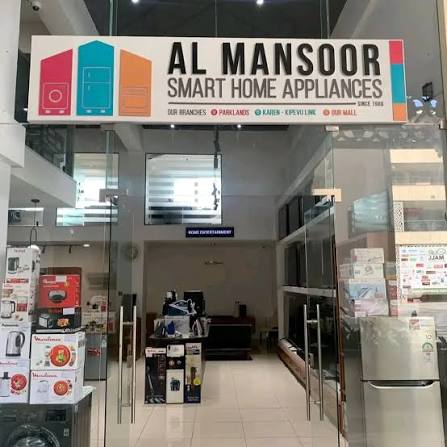
Al Mansoor Smart Home Appliances serves both retail and broader appliance purchasing requirements, with product categories covering refrigerators, cookers, washing machines, televisions, audio equipment, fans, heaters and smaller household appliances.
Businesses can explore the available Fans & Heaters, Cooking Appliances, Fridges & Freezers, Laundry & Garment Care and Audio & Televisions categories when planning their requirements.
For buyers comparing trade account appliances Kenya suppliers, the next step is to discuss the intended quantities, product specifications and delivery requirements directly with the supplier.
Getting a Bulk Appliance Quote
A bulk quotation should turn your business requirement into a clear purchasing proposal covering products, quantities, pricing and delivery expectations. Once the quotation is received, review the details carefully before approving the order.
For a retailer, the quotation can form part of the purchasing decision based on expected resale demand.
For a developer or landlord, it can be compared against the project budget.
For a reseller, it can help determine whether the final customer price leaves enough room for the required margin.
The important point is to compare like with like.
Confirm model numbers and quantities before comparing prices.
Also confirm whether delivery is included and whether the quoted products are available.
A clear quotation helps both the supplier and buyer avoid assumptions.
Final Thoughts on Wholesale Appliance Supply in Kenya
Wholesale appliance supply in Kenya can give retailers, resellers, landlords, developers and commercial buyers a more organised way to purchase appliances in volume. The strongest approach is to look beyond unit price and evaluate product selection, specifications, availability, delivery, warranty support and the supplier’s ability to support repeat orders.
Whether you need a mixed appliance order for a retail shop, several refrigerators and cookers for rental units, televisions for furnished apartments or a broader package for a property project, the process should begin with a clear requirement.
Define the products, quantities, specifications and delivery schedule. Then request a detailed quotation and confirm the commercial terms before placing the order.
For businesses looking for wholesale home appliances Kenya solutions, a supplier with multiple appliance categories can simplify procurement and make larger purchases easier to coordinate.
Al Mansoor Smart Home Appliances can assist buyers looking to discuss appliance requirements for retail, trade and commercial projects.
Contact Al Mansoor Smart Home Appliances
Location: Our Mall, Off Magadi Road, Nairobi, Kenya
Phone: +254 114 696 921
Email: amvsmarthomeappliances@gmail.com
Opening Hours: Everyday, 9:00 AM–6:00 PM
For trade enquiries, bulk orders and appliance supply requirements, contact Al Mansoor to discuss your product quantities, preferred specifications and delivery needs.