Developing an apartment block, gated community, serviced residence or mixed-use property involves much more than completing the structure. Once construction reaches the finishing stage, developers and contractors must coordinate dozens of decisions that determine whether the completed property is ready for occupation.
Appliances are an important part of that process.
Refrigerators, cookers, air conditioners, washing machines and other household appliances must be selected, supplied and delivered at the right stage of the project. For larger developments, this can involve dozens or even hundreds of units.
Working with an appliance supplier for developers Kenya projects can simplify this process by allowing developers and contractors to coordinate multiple appliance categories through a more organised procurement arrangement.
Instead of sourcing refrigerators from one business, cookers from another and cooling equipment elsewhere, a project team can prepare an appliance schedule, request a consolidated quotation and plan delivery according to the construction programme.
For developers, contractors and project managers, appliance procurement is not simply about purchasing products. It is about specification control, quantity planning, site access, staged delivery and ensuring that the right appliances arrive when apartments are ready to receive them.
This guide explains how appliance fit-out for developers in Kenya can be planned more efficiently and what project teams should consider when sourcing appliances for apartment blocks, gated developments and other residential projects.
What Is an Appliance Fit-Out for a Development?
An appliance fit-out is the process of selecting, supplying and preparing household appliances for installation within completed residential or commercial units. For a development project, this may involve one apartment or several hundred units.
The scale of the appliance requirement depends on the project.
A small gated development may require appliances for a limited number of premium homes.
A large apartment block may need refrigerators and cookers for every unit.
A serviced-apartment project may require a more complete package that includes refrigerators, cookers, washing machines, televisions and smaller kitchen appliances.
The purpose of an appliance fit-out is to ensure that the products selected are appropriate for the property’s design and target market.
An appliance supplier for developers Kenya projects should therefore understand that a development order is different from a normal household purchase.
The buyer may require:
- Multiple refrigerators
- Multiple cookers
- Air conditioners
- Washing machines
- Televisions
- Built-in appliances
- Kitchen appliances
- Other household equipment
Each product may need to meet a particular size or specification requirement.
Why Developers Need a Structured Appliance Procurement Plan
A structured appliance procurement plan helps developers avoid last-minute buying, inconsistent specifications and delivery delays that can affect project completion.
Construction projects operate according to schedules.
Finishing work is often planned around specific dates. Kitchens may be installed before appliances arrive. Flooring and painting may need to be completed before delivery. Units may be handed over to buyers or tenants shortly after final inspections.
If appliance procurement begins too late, product availability can become a problem.
A particular refrigerator or cooker may not be available in the required quantity at short notice.
This can force the project team to choose different models for different units, creating an inconsistent finish.
For this reason, apartment fit out appliances Nairobi projects require should ideally be planned alongside the broader finishing schedule.
The earlier the project team identifies appliance requirements, the more time there is to compare specifications, request quotations and plan delivery.
Choosing an Appliance Supplier for Developers Kenya Projects
The right appliance supplier for developers Kenya projects should be able to understand the size of the development, the appliance schedule and the required delivery timeline.
Price is important, but it should not be the only consideration.
Developers and contractors should also consider:
- Product range
- Quantity availability
- Product specifications
- Brand options
- Delivery capacity
- Staged delivery arrangements
- Communication during the project
- Warranty processes
- Replacement availability
A project may require several categories of appliances.
Working with multiple suppliers can increase the amount of procurement coordination required.
A supplier with a broader range can make it easier to request quotations for several categories.
For example, a developer may require refrigeration, cooking appliances, laundry equipment and cooling systems.
The project team can then evaluate whether one supplier can provide several categories within the same procurement process.
Planning Apartment Fit Out Appliances Nairobi Projects Need
Apartment fit out appliances Nairobi developers select should match the size, layout and target market of the individual units.
A studio apartment does not have the same appliance requirements as a three-bedroom family apartment.
Likewise, a premium development may require higher-capacity or more feature-rich appliances than an entry-level residential project.
Before requesting quotations, developers should classify the units.
For example:
- Studio apartments
- One-bedroom apartments
- Two-bedroom apartments
- Three-bedroom apartments
- Penthouses
- Townhouses
Each unit type can then have its own appliance schedule.
This allows the developer to avoid ordering unnecessary capacity for smaller units while ensuring larger homes receive appliances appropriate for their expected occupants.
The appliance schedule should also account for available installation space.
Refrigerators for Apartment Developments
Refrigerator selection should be based on available kitchen space, expected household size and the overall positioning of the development.
A developer may be tempted to select the same refrigerator for every apartment.
This can work when units have similar layouts.
However, mixed developments may require different capacities.
A studio may need a compact refrigerator.
A two-bedroom apartment may require a larger capacity.
A premium family home may require a larger refrigerator with additional features.
Before ordering, project teams should confirm:
- Appliance width
- Appliance depth
- Appliance height
- Ventilation requirements
- Door-opening clearance
- Access route into the unit
Developers can review suitable options through the Fridges & Freezers category.
For a large project, the exact model and quantity should be confirmed early.
Cookers and Bulk Kitchen Appliances Kenya Projects Require
Bulk kitchen appliances Kenya developers purchase should be selected according to kitchen dimensions, utility arrangements and the expected use of the property.
Cookers are among the most important appliances in residential developments.
Before selecting a model, developers should consider:
- Available kitchen space
- Gas requirements
- Electrical requirements
- Number of burners
- Oven capacity
- Appliance dimensions
- Target property market
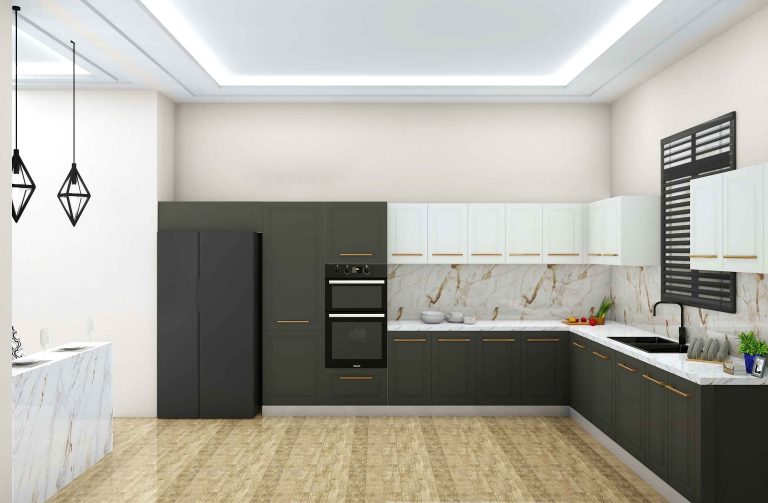
The cooker should fit the kitchen design.
This sounds straightforward, but appliance procurement sometimes occurs after cabinetry and counter spaces have already been finalised.
The result can be an appliance that does not fit correctly.
To avoid this problem, appliance specifications should be coordinated with the kitchen designer and contractor.
Developers and contractors can explore suitable products through the Cooking Appliances category.
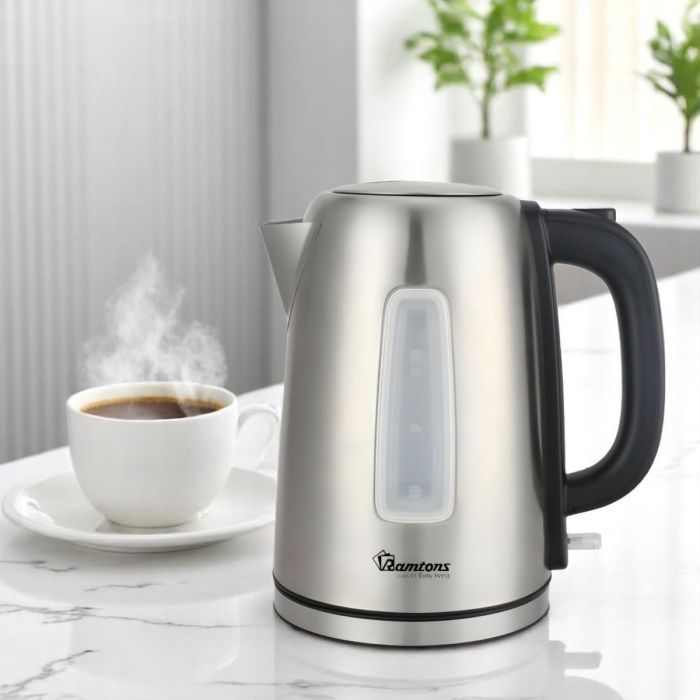
For additional products required in fitted kitchens, the Kitchen Appliances category can support broader project planning.
Air Conditioners for Residential Developments
Air conditioning requirements should be considered during the design and finishing stages rather than being treated as an afterthought once construction is complete.
An air conditioner requires more than a suitable indoor location.
The project team may need to consider:
- Room size
- Cooling requirements
- Outdoor unit placement
- Electrical capacity
- Drainage routing
- Access for maintenance
- Building appearance
For larger developments, consistent planning can simplify installation.
If apartments have similar layouts, the project may use similar air conditioning configurations.
This can make procurement and maintenance planning easier.
However, developers should not automatically select identical capacity for every room.
Cooling requirements can vary depending on room size, orientation, windows and occupancy.
An appliance supplier for developers Kenya projects can work with should therefore be involved early enough for the team to match appliance requirements to the property.
Washing Machines for Apartments and Gated Developments
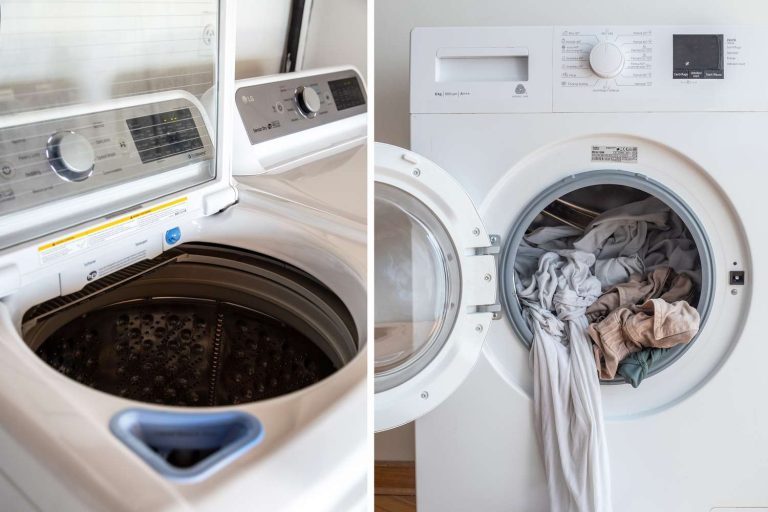
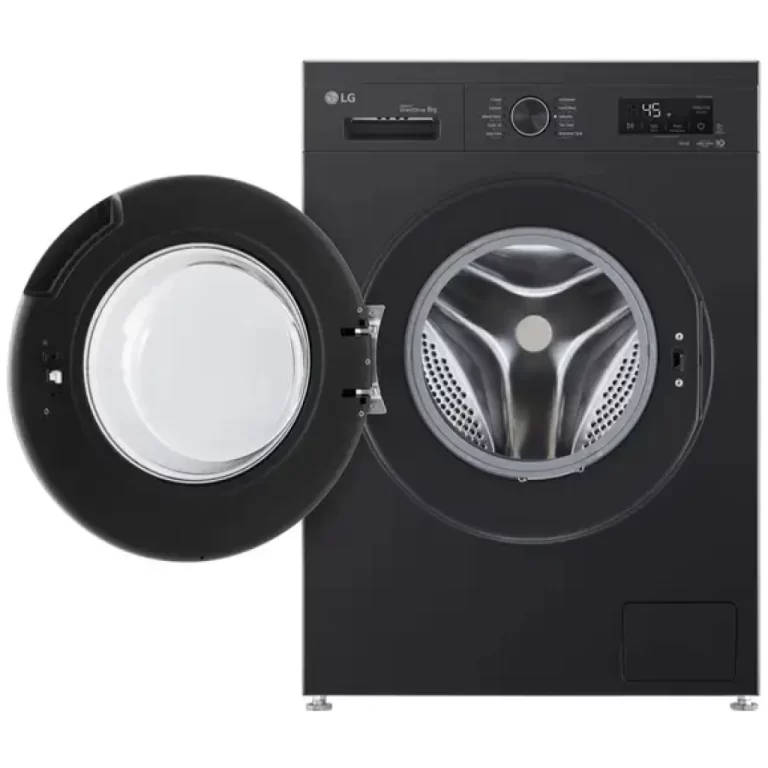
Washing machines should be selected according to available laundry space, expected occupancy and the plumbing arrangements within each unit.
Before ordering washing machines in bulk, project teams should confirm:
- Laundry area dimensions
- Water supply
- Drainage
- Electrical outlet locations
- Doorway access
- Ventilation requirements
For developments targeting families, capacity may be particularly important.
Smaller apartments may require more compact units.
Developers can explore available options through the Laundry & Garment Care category.
When ordering multiple machines, consistent specifications can make future replacement planning easier.
Televisions for Serviced Apartments and Furnished Projects
Televisions may form part of an appliance fit-out where the development is intended for furnished rental, serviced accommodation or hospitality use.
A standard apartment sold without furniture may not require a television.
However, furnished apartments and serviced residences often include entertainment equipment as part of the complete package.
The correct screen size should match the room.
Developers should consider:
- Room dimensions
- Viewing distance
- Wall mounting arrangements
- Furniture placement
- Guest expectations
For projects with several unit types, different screen sizes may be required.
The Audio & Televisions category can be used when preparing a quotation for these requirements.
Why Specification Consistency Matters
Specification consistency can simplify purchasing, installation and future replacement across a large development.
Imagine a development containing 50 identical two-bedroom apartments.
If every unit receives a different refrigerator model, the property manager may face unnecessary complications when replacements are needed.
Different models can have different dimensions and installation requirements.
Using a consistent specification where practical can simplify:
- Installation
- Inventory management
- Replacement planning
- Maintenance records
- Future procurement
This does not mean every unit must receive identical appliances.
Different apartment types can require different specifications.
However, consistency within each unit category can make the development easier to manage.
Creating an Appliance Schedule for Contractors
An appliance schedule gives contractors and developers a structured record of what must be supplied, where it will be installed and when it is required.
The schedule can include:
- Apartment or unit type
- Appliance category
- Required model or specification
- Quantity
- Installation location
- Delivery phase
For example, a development with 20 two-bedroom apartments might have one appliance schedule for that unit type.
The developer can then calculate the total quantity required.
This makes it easier to request a quotation from a contractor appliance supply Kenya provider.
The supplier can understand the full requirement instead of receiving several separate requests.
Contractor Appliance Supply Kenya Projects Can Coordinate
Contractor appliance supply Kenya projects need often requires close coordination between procurement teams, site managers and delivery teams.
The contractor may be responsible for ensuring that units are ready before appliances arrive.
The supplier needs accurate information about:
- Site location
- Access conditions
- Delivery timing
- Quantity per delivery
- Storage availability
- Contact person on site
A large appliance delivery should not arrive at a site where there is no secure storage or authorised person available to receive it.
Clear communication reduces the risk of unnecessary delays.
For this reason, a project should ideally have one designated contact responsible for appliance delivery coordination.
Staged Delivery for Apartment Blocks
Staged delivery allows appliances to be delivered according to the construction and finishing programme rather than requiring the entire project order to arrive at once.
This can be useful for large developments.
Suppose a developer is completing a 100-unit apartment block.
The kitchens on the lower floors may be completed first.
Those units can receive appliances before the upper floors are ready.
Instead of storing every refrigerator and cooker on-site at the same time, the developer can coordinate staged drops.
This can reduce:
- Storage pressure
- Risk of damage
- Site congestion
- Unnecessary movement of appliances
For apartment fit out appliances Nairobi developments, staged delivery should be discussed when the order is being planned.
The supplier needs to understand the expected delivery phases.
Site Delivery and Access Planning
Site access should be considered before large appliance deliveries are scheduled because construction sites can present handling and movement challenges.
Before delivery, confirm:
- Vehicle access
- Loading area
- Security procedures
- Site opening hours
- Storage location
- Lift availability
- Stair access
- Receiving personnel
Large appliances can be difficult to move once delivered.
A refrigerator may need to pass through several corridors before reaching the apartment.
If doors, lifts or hallways are not ready, delivery may become more complicated.
The project manager should therefore coordinate delivery with the construction programme.
Avoiding Early Appliance Delivery
Receiving appliances too early can create storage and damage risks, particularly on active construction sites.
Appliances can be exposed to:
- Dust
- Moisture
- Accidental impact
- Theft
- Construction materials
For this reason, the lowest possible delivery date is not always the best delivery date.
The project team should schedule appliances when:
- Installation spaces are ready
- Major dusty work is complete
- Units can be secured
- Access routes are available
This can reduce unnecessary handling.
One Contact for Multiple Appliance Categories
Using one primary contact for appliance procurement can simplify communication when a project requires several different appliance categories.
A developer may otherwise have to coordinate:
- Refrigerator supplier
- Cooker supplier
- Washing machine supplier
- Television supplier
- Small appliance supplier
This creates multiple delivery schedules and communication channels.
Working with a supplier that can support multiple categories may reduce this complexity.
The project team can still compare quotations and evaluate products carefully.
However, consolidated communication can make the overall process easier to manage.
This is particularly useful for developers handling several projects simultaneously.
Appliance Fit-Out for Gated Developments
Gated developments often require appliance selection to match the overall market positioning and consistency of the homes being delivered.
A premium gated community may require:
- Larger refrigerators
- Premium cookers
- Air conditioning
- Washing machines
- Additional kitchen appliances
An entry-level development may focus on practical and affordable appliances.
The developer should consider the expectations of the intended buyer.
Appliance specifications can influence the perceived quality of the finished home.
For this reason, developers should avoid treating appliances as a last-minute procurement decision.
Budgeting for Bulk Appliance Orders
A development budget should consider the complete appliance requirement rather than pricing individual products without considering total project costs.
The project budget may include:
- Appliance purchase costs
- Delivery
- Storage
- Installation
- Project coordination
Bulk purchasing can make it easier to create a consolidated appliance budget.
However, developers should still compare the specifications carefully.
A lower price may represent a different product configuration.
Before approving the order, confirm the full scope.
Energy Efficiency in New Developments
Energy efficiency can be an important consideration for modern residential developments because appliance operating costs can affect residents and the overall appeal of the property.
Developers should consider the specifications of major appliances.
Refrigerators, washing machines and air conditioners may operate regularly.
Their energy characteristics can influence household electricity consumption.
For a developer selling homes, energy-conscious appliance selection may also support the broader positioning of the project.
The right choice depends on the property’s target market and budget.
Planning for Future Replacement
Developers should maintain clear records of appliance specifications because the same information can be useful years later when units require replacements.
A simple record should include:
- Appliance category
- Brand
- Model
- Capacity
- Dimensions
- Purchase date
- Warranty information
For large developments, this information can become valuable to property managers.
If a refrigerator needs replacement, the manager can identify the original dimensions and specifications.
This makes future procurement easier.
Common Mistakes Developers Should Avoid
Most appliance procurement problems can be avoided through earlier planning and better coordination between design, procurement and site teams.
Common mistakes include:
- Ordering appliances before confirming installation dimensions
- Choosing models without considering quantity availability
- Scheduling delivery before units are ready
- Ignoring site access
- Failing to coordinate appliance specifications with kitchen designs
- Ordering too early and creating storage risks
- Using inconsistent specifications unnecessarily
- Treating delivery as an afterthought
An appliance supplier for developers Kenya projects should work with can help reduce some of these issues when involved early enough.
How Contractors Can Simplify Appliance Procurement
Contractors can simplify appliance procurement by consolidating requirements, preparing clear schedules and coordinating delivery with site progress.
The first step is to identify every appliance required.
Then group the products according to:
- Unit type
- Project phase
- Installation location
After this, request a detailed quotation.
Before confirming the order, review:
- Product specifications
- Quantities
- Delivery timing
- Site requirements
This approach gives the contractor more control over the procurement process.
Choosing the Right Partner for Project Appliance Supply
The right project appliance supplier should be able to provide clear communication, suitable product options and delivery arrangements that align with the project’s needs.
Developers and contractors should ask:
Can the supplier handle the required quantities?
Are the products suitable for the project?
Can delivery be staged?
How will site deliveries be coordinated?
What warranty support is available?
Can multiple appliance categories be supplied?
The answers can help determine whether the supplier is suitable for a one-off order or an ongoing development relationship.
Al Mansoor Smart Home Appliances provides a broad range of household and kitchen appliance categories that can support developers, contractors and property professionals planning residential projects.
Developers can explore the available Fridges & Freezers, Cooking Appliances, Kitchen Appliances, Laundry & Garment Care, Audio & Televisions and Small Home Appliances when preparing an appliance schedule.
Final Thoughts on Appliance Fit-Out for Developers in Kenya
Appliance fit-out for developers in Kenya is most effective when appliances are planned as part of the wider project rather than purchased at the final stage of construction.
Refrigerators, cookers, washing machines, air conditioners and other appliances should match the property’s design, target market and available installation space.
For larger developments, early planning also makes it easier to manage quantities and maintain consistent specifications.
Working with an appliance supplier for developers Kenya projects can rely on can simplify procurement by providing one point of contact for product discussions, quotations and delivery coordination.
Whether you are completing an apartment block, gated community, furnished development or serviced residence, the right appliance plan can reduce procurement complexity and support a smoother project handover.
Staged delivery, accurate specifications and early coordination are particularly important for larger projects.
By preparing an appliance schedule before the final stages of construction, developers and contractors can ensure that the right products arrive at the right time and are ready for the completed property.
Contact Al Mansoor Smart Home Appliances
For enquiries about bulk appliance requirements, development projects, staged deliveries and contractor supply arrangements, contact Al Mansoor Smart Home Appliances.
Location: Our Mall, Off Magadi Road, Nairobi, Kenya
Phone: +254 114 696 921
Email: amvsmarthomeappliances@gmail.com
Al Mansoor can assist developers, contractors and property professionals with appliance selection, bulk quotations and delivery planning for residential and commercial projects across Kenya.