Front load vs top load washing machine Kenya is one of the most important comparisons to make before buying a washing machine for your home. Both designs can clean clothes effectively, but they differ significantly in water consumption, electricity use, loading convenience, fabric care, space requirements, cycle times and long-term running costs.
For Kenyan households, the decision should go beyond simply asking which machine is cheaper. Water availability, electricity costs, household size, available laundry space and how frequently you wash can all influence the better choice.
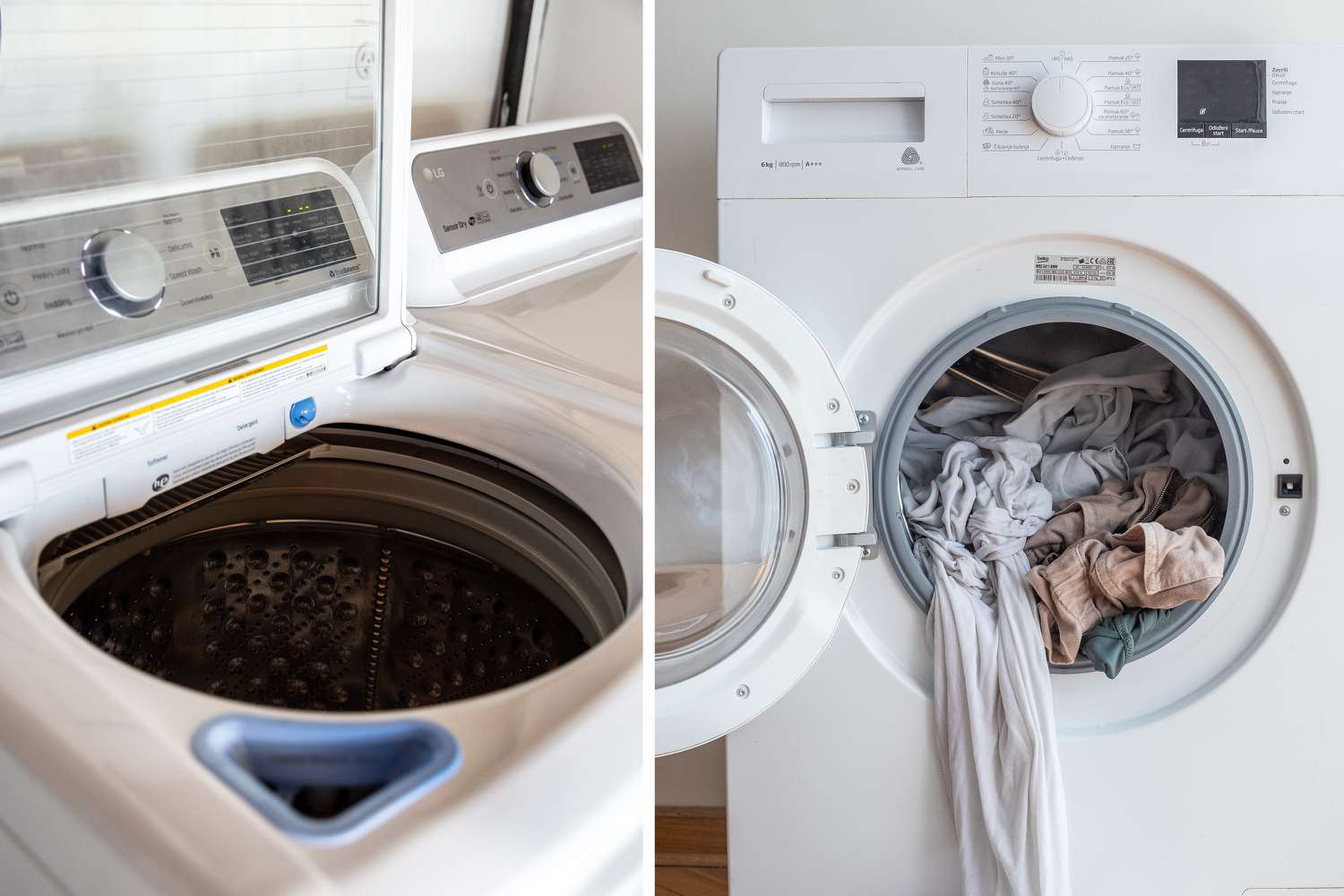
A front-load washing machine opens from the front and cleans clothes by tumbling them through a smaller amount of water. A top-load washing machine opens from the top and generally uses an agitator or impeller to move clothes through the wash.
Modern versions of both types have become considerably more efficient. However, front-load machines generally have an advantage in water efficiency, while top-load machines remain attractive for their convenience and simpler loading. ENERGY STAR, for example, says certified front-load washers use about 50% less energy and water than conventional top-load agitator machines, while high-efficiency top-load impeller machines have narrowed the gap.
So, when considering front load vs top load washing machine Kenya, the best option depends on what matters most in your household.
What Is the Difference Between Front Load and Top Load Washing Machines?
Front-load machines wash by tumbling clothes through a shallow amount of water, while top-load machines wash from above using an agitator or impeller. The difference affects water use, fabric movement, loading convenience and machine design.
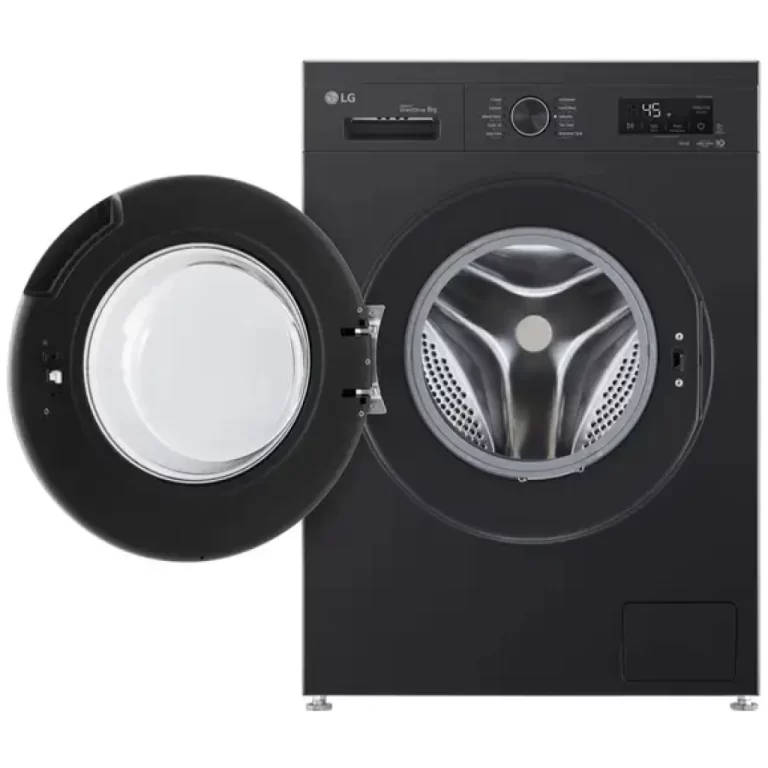
A front-load washing machine has a horizontal drum. You place clothes through a door at the front, and the drum rotates to lift and drop garments through the wash water.
A top-load machine has a vertical drum. Clothes are placed through an opening at the top, while the machine uses either an agitator or an impeller to move the laundry.
The basic difference may seem simple, but it affects almost every part of the washing experience.
Front-load machines are often associated with:
- Lower water consumption
- Strong cleaning performance
- Higher spin speeds
- Gentler fabric movement
- Better water extraction
- Longer wash cycles
- More efficient use of laundry space
- Higher purchase prices on some models
Top-load machines are commonly associated with:
- Easy loading from standing height
- Shorter wash cycles on many models
- Easier addition of forgotten clothes on some models
- Simpler access for households that dislike bending
- Competitive purchase prices
- More traditional washing behaviour
Neither design is automatically the best for every household.
The right choice depends on your priorities.
Front Load vs Top Load Washing Machine Kenya: Which Uses Less Water?
Front-load washing machines generally use less water than conventional top-load machines because they do not need to fill the drum enough for clothes to float. This makes front-loaders particularly attractive where water conservation and utility costs matter.
Water consumption is one of the strongest arguments for choosing a front-load washing machine.
Because the drum rotates and tumbles the clothes through a relatively shallow amount of water, a front loader can clean a full load without completely filling the drum.
Top-load machines work differently. Traditional agitator models generally require more water because clothes need to move through a larger volume of water.
Modern top-load impeller machines have improved considerably, however, so the difference is not always as large as it once was.
Independent testing has found substantial variation between individual machines, but front loaders consistently tend to use less water than conventional top loaders.
This matters in Kenya because many households pay close attention to water consumption.
If your home uses a water tank, borehole, water delivery service or metered municipal supply, reducing water consumption can make a meaningful difference over many washing cycles.
For example, a household washing several loads every week could consume thousands of litres over a year. A machine that uses water more efficiently can therefore provide savings beyond the initial purchase.
However, do not assume every front loader automatically uses less water than every top loader.
Always check the specifications of the actual model you are considering.
Which Washing Machine Uses Less Electricity in Kenya?
Front-load machines generally have the efficiency advantage because they use less water and often extract more water during the spin cycle. However, electricity consumption depends on the model, wash temperature, programme, load size and spin speed.
When comparing front load vs top load washing machine Kenya, electricity consumption should be considered alongside water use.
Washing machines consume electricity to operate the motor, pump water, control the cycle and, on models that heat water internally, heat the wash water.
Using less water can therefore contribute to lower energy consumption, particularly when warm or hot washing programmes are used.
Front-load machines also tend to have higher spin speeds. Removing more water from clothes before they leave the washing machine can reduce drying time.
This can be particularly useful if you use a tumble dryer.
For Kenyan households that mostly line-dry clothes, the benefit is slightly different. You may not save dryer electricity, but clothes can still come out less saturated and may dry faster on a clothesline.
The important point is that front load vs top load washing machine Kenya should not be judged purely by the motor’s electricity rating.
Look at:
- Water consumption
- Energy rating
- Spin speed
- Wash temperature
- Programme duration
- Load capacity
- Motor technology
- Frequency of use
A modern high-efficiency top loader can also perform well.
Therefore, compare the actual specifications rather than assuming that every machine in one category is identical.
Front Load vs Top Load Washing Machine Kenya: Which Cleans Better?
Both machine types can provide excellent cleaning, but front loaders generally have an advantage in efficient tumbling and fabric care. Top loaders can still provide strong cleaning performance, particularly for everyday household laundry.
The cleaning mechanism is different.
A front loader repeatedly lifts clothes and allows them to fall through the wash solution. This tumbling action creates mechanical movement that helps loosen dirt.
The clothes are not continuously submerged in a deep pool of water.
Top-load machines use either an agitator or an impeller.
An agitator is a central mechanism that moves back and forth through the clothes. An impeller is a lower-profile rotating mechanism that creates movement in the water and laundry.
The type of top loader therefore matters.
A traditional agitator machine and a modern high-efficiency impeller machine should not be treated as exactly the same technology.
Front loaders can be particularly useful for households washing:
- School uniforms
- Office clothing
- Bed sheets
- Towels
- Delicate fabrics
- Everyday family clothing
- Large laundry loads
However, cleaning performance ultimately depends on the specific machine and how it is used.
Overloading any washing machine can reduce cleaning performance.
Using too much detergent can also cause problems.
The best results come from selecting the correct programme, loading the machine correctly and using the recommended detergent quantity.
Which Is Better for Fabric Care?
Front-load machines are often the better choice for households concerned about fabric care because their tumbling action can be gentler than traditional agitator washing. Top-load machines can still protect clothing when the correct cycle and load size are used.
If you regularly wash delicate clothes, fabric care should be part of your decision.
Traditional agitator top-loaders can create stronger mechanical movement around clothing. This may be useful for heavily soiled garments but can potentially contribute to wear over time.
Front loaders generally use a tumbling action that can provide effective cleaning without the same type of aggressive agitation.
This makes front loaders attractive for people who wash:
- Office shirts
- Dresses
- Delicate fabrics
- Children’s clothes
- Bedding
- Towels
- Sportswear
However, modern washing machines increasingly offer specialised programmes designed for different fabrics.
Before buying, look for programmes such as:
- Delicates
- Cotton
- Mixed fabrics
- Wool
- Quick wash
- Heavy duty
- Baby care
- Sportswear
- Bedding
The number of programmes is less important than whether the programmes match your actual laundry habits.
Front Load vs Top Load Washing Machine Kenya: Which Is Easier to Use?
Top-load machines are generally easier to load because you do not have to bend down to reach a front door. Front-load machines require bending, but they can provide easier access to the drum when installed at a comfortable height.
Convenience is one area where top-load machines remain highly competitive.
You simply lift the lid and put your clothes inside.
This can be useful for older users or anyone who finds repeated bending uncomfortable.
Top-loaders can also be convenient when you frequently discover an extra shirt or pair of socks after starting laundry. Some models allow additional garments to be added during parts of the wash cycle.
Front-loaders require you to open a door at the front.
You normally need to bend down to load and unload the machine.
However, front-loaders have another advantage: they can potentially be stacked with compatible dryers or other laundry equipment.
That makes them useful where floor space is limited.
For apartments in Nairobi, this can be an important consideration.
Which Washing Machine Is Better for a Small Kenyan Home?
For a small home, the best washing machine depends on the shape of the laundry area rather than simply the machine type. Front loaders can make better use of vertical space, while top loaders need clearance above the machine for the lid.
Measure your laundry area before buying.
Do not only measure the width.
Check:
- Width
- Depth
- Height
- Door clearance
- Water inlet position
- Drain position
- Electrical socket location
- Space needed to open the machine
- Walking space around the appliance
A front loader requires space in front of the machine for the door to open.
A top loader requires sufficient vertical clearance for the lid.
This distinction can make a major difference in a compact laundry area.
If your washing machine will sit underneath a counter, a top loader may not be practical unless there is enough clearance to open the lid.
A front loader may work better in that configuration.
On the other hand, if the machine sits in a narrow area where there is limited front clearance, a top loader may be easier to access.
Front Load vs Top Load Washing Machine Kenya: Which Is Better for Large Families?
Large families should prioritise drum capacity, wash frequency, programme flexibility and reliability rather than choosing solely based on front-load or top-load design. Front loaders can be particularly useful for large loads because their drum design makes efficient use of available space.
If you have several family members, washing capacity becomes extremely important.
A small machine may force you to run multiple cycles every laundry day.
That means more:
- Water consumption
- Electricity use
- Time spent washing
- Detergent use
- Wear on the machine
Instead of choosing a machine purely because it has the largest advertised capacity, consider how much laundry your household actually produces.
For many households, an appropriately sized machine in the 8–10 kg range can provide a practical balance.
Larger households may benefit from machines with greater capacity.
But remember that capacity should match your washing habits.
Buying an oversized machine does not automatically make financial sense if you frequently run small loads.
Front Load vs Top Load Washing Machine Kenya: Which Has Faster Cycles?
Top-load machines often have shorter standard cycles, while front-load machines can take longer because of their wash and rinse processes. If speed is your highest priority, a top loader may have an advantage.
This is one of the biggest practical differences.
Front loaders often use longer cycles to achieve efficient cleaning with less water.
Top loaders can complete standard programmes more quickly.
If you regularly need to wash clothes quickly before work, school or travel, cycle duration may therefore influence your decision.
However, a quick cycle is not automatically better.
You should consider what the programme is designed to do.
A short programme may be suitable for lightly soiled clothes but less appropriate for heavily soiled school uniforms, towels or bedding.
Modern front loaders often include quick-wash programmes as well.
Therefore, compare actual cycle times on the specific models you are considering.
Which Washing Machine Is Easier to Maintain?
Top-load machines can be simpler to live with, while front-load machines need particular attention to the door seal, detergent drawer and drum ventilation. Proper maintenance matters more than the machine type when it comes to long-term performance.
Front-load machines have a rubber door gasket that helps keep water inside.
That seal should be kept clean.
After washing, leaving the door slightly open can allow the interior to dry and reduce moisture-related odours.
The detergent drawer should also be cleaned regularly.
Top loaders have different maintenance considerations.
The lid and detergent areas should be kept clean, while the drum should also be cleaned according to the manufacturer’s instructions.
For both types, you should:
- Avoid overloading the drum
- Use the recommended detergent quantity
- Clean the machine regularly
- Check pockets before washing
- Inspect hoses periodically
- Avoid unnecessary heavy cycles
- Follow the manufacturer’s maintenance instructions
- Keep the machine level
Maintenance is particularly important in areas where water quality or supply conditions can vary.
How Does Water Pressure Affect Washing Machines in Kenya?
Water supply conditions should be considered before buying a washing machine in Kenya, especially if your home depends on tanks, pumps or inconsistent water pressure. Check the manufacturer’s installation requirements rather than assuming every machine will perform identically.
This is an important consideration that generic washing-machine comparisons sometimes overlook.
Some Kenyan homes receive water directly from the mains.
Others depend on:
- Rooftop tanks
- Ground tanks
- Boreholes
- Booster pumps
- Water storage systems
- Intermittent municipal supply
The installation requirements of individual washing machines can differ.
Before purchasing, confirm the required water pressure and inlet requirements with the seller or manufacturer.
This is particularly important if your machine will be supplied by gravity from a tank.
A machine that is perfectly suitable for one home may require a different installation arrangement in another.
This is one reason to ask about installation before completing your purchase.
Front Load vs Top Load Washing Machine Kenya: Which Is Better for Bedding?
Front-load machines are often excellent for bulky items such as bedding because clothes can tumble freely inside the drum. However, capacity remains critical, because a machine that is too small should not be overloaded with blankets or heavy bedding.
Bed sheets, duvet covers and towels take up considerable space.
If you frequently wash bedding, choose a machine with sufficient capacity.
Do not force a large blanket into a small drum simply because the machine can technically start.
Overloading reduces the space required for clothes to move properly.
It can also result in poor cleaning and rinsing.
For large bedding loads, compare:
- Drum capacity
- Door opening size
- Bedding programmes
- Spin speed
- Balance control
- Manufacturer recommendations
If bedding is one of your main reasons for upgrading your machine, it should influence your capacity decision.
What About Detergent Use?
Front-load machines generally require less water, so they can work effectively with detergents designed for low-water washing. The most important rule is to follow the detergent and machine manufacturer’s dosage instructions rather than adding extra detergent.
Many people assume that more detergent means cleaner clothes.
That is not necessarily true.
Excess detergent can leave residue inside the machine and on clothing.
It may also make rinsing more difficult.
Front-load washing machines are designed to work with relatively small amounts of water, so detergent selection and dosage matter.
Always check whether the detergent is suitable for your machine.
If the manufacturer recommends a high-efficiency detergent, follow that guidance.
For heavily soiled clothes, it is usually better to choose an appropriate wash programme than simply adding excessive detergent.
Which Machine Is Better for Kenyan Apartments?
For apartments, choose based on available space, water supply, noise, load capacity and installation requirements. A front loader can be attractive when vertical space can be used, while a top loader can be convenient where easy loading and shorter cycles matter more.
Apartment living creates several practical considerations.
Noise can matter if your laundry area is close to bedrooms or living spaces.
Machine vibration can also be noticeable on tiled floors or in apartments.
Look for:
- Stable construction
- Good balance control
- Appropriate spin speed
- Reliable installation
- Adequate floor clearance
- Correct drainage
Do not install a washing machine simply because it physically fits.
The machine needs appropriate water, drainage and electrical connections.
If possible, have installation completed according to the manufacturer’s requirements.
Front Load vs Top Load Washing Machine Kenya: Which Offers Better Value?
Top-load machines can offer attractive upfront value, while front-load machines can deliver stronger long-term efficiency in water and energy use. The better value depends on how frequently you wash and what your household prioritises.
Purchase price should not be your only calculation.
Imagine two machines:
Machine A costs less initially but consumes more water per wash.
Machine B costs more but uses less water and energy.
If you wash several times a week for many years, the running costs may become important.
This does not automatically mean that a front loader is financially better for every buyer.
A household that washes infrequently may place greater importance on the initial purchase price.
A large family that washes several times per week may benefit more from efficiency.
Therefore, when comparing front load vs top load washing machine Kenya, consider total ownership rather than purchase price alone.
Think about:
- Purchase price
- Water consumption
- Electricity consumption
- Detergent consumption
- Maintenance
- Expected lifespan
- Warranty
- Repair availability
- Replacement parts
Front Load vs Top Load Washing Machine Kenya: Side-by-Side Comparison
There is no universal winner between front-load and top-load machines. Front loaders generally lead on water efficiency and fabric care, while top loaders remain strong on convenience, loading and often shorter cycles.
| Feature | Front Load | Top Load |
|---|---|---|
| Loading | Front | Top |
| Water efficiency | Usually excellent | Moderate to excellent depending on model |
| Cleaning | Excellent | Excellent |
| Fabric care | Generally gentle | Depends on agitator/impeller |
| Cycle time | Often longer | Often shorter |
| Loading convenience | Requires bending | Easier standing access |
| Space | Can work well under counters | Requires top clearance |
| Spin speeds | Often higher | Varies |
| Drying time | Often shorter due to stronger spin | Can be longer |
| Maintenance | Door seal requires care | Generally straightforward |
| Large loads | Excellent on suitable models | Good on suitable models |
| Upfront cost | Often higher | Often competitive |
| Best for | Efficiency and fabric care | Convenience and accessibility |
The table provides a general comparison, but individual machines can differ considerably.
That is why checking the specifications of the exact model is essential.
How to Choose Between a Front Loader and Top Loader in Kenya
Choose a front loader if water efficiency, fabric care, high spin speeds and long-term resource savings are your priorities. Choose a top loader if easy loading, shorter cycles and convenience are more important to your household.
A front loader may suit you if:
- You wash frequently.
- You want to minimise water consumption.
- You want strong fabric-care options.
- You regularly wash large loads.
- You value high spin speeds.
- You have suitable front clearance.
- You may want to stack laundry appliances.
- You are comfortable with longer wash cycles.
A top loader may suit you if:
- You prefer standing access.
- You want easier loading.
- You prioritise shorter cycles.
- You want a simpler traditional design.
- You frequently add clothes during laundry.
- Your laundry area has limited front clearance.
- Your budget favours a particular top-load model.
The best decision is ultimately about matching the machine to your home.
Where to Find Washing Machines in Kenya
The best washing machine is one that matches your household capacity, water supply, available space and washing habits. Compare actual specifications rather than choosing based only on whether a machine is front-load or top-load.
If you are shopping for a washing machine, you can explore the available laundry and garment care appliances and compare suitable models for your household.
You can also compare other household appliances if you are planning a wider home upgrade, including:
- Laundry and garment care appliances
- Kitchen appliances
- Small home appliances
- Cooking appliances
- Fridges and freezers
Before purchasing, compare capacity, dimensions, spin speed, water requirements, energy efficiency, programmes, warranty and installation requirements.
Frequently Asked Questions
Is a front-load washing machine better than a top-load machine in Kenya?
A front loader can be better if you prioritise water efficiency, fabric care and long-term resource savings. A top loader can be better if convenience, easy loading and shorter cycles matter more.
There is no universal winner because household requirements differ.
Which washing machine uses less water?
Front-load washing machines generally use less water than conventional top-load machines. Modern high-efficiency top loaders have narrowed the gap, so always check the specifications of the actual model.
Which washing machine uses less electricity?
Front-load machines generally have an efficiency advantage, especially when their lower water consumption and stronger spin performance are considered. However, electricity use varies by model, programme and temperature.
Are top-load washing machines good for Kenyan homes?
Yes. Top-load washing machines can be excellent for Kenyan households, especially where easy loading, shorter cycles and convenience are priorities.
A top loader can be a practical choice for families, renters and households that prefer not to bend down when loading laundry.
Is a front-load washing machine good for a small apartment?
Yes, provided there is enough space for the front door to open. Front loaders can also make good use of vertical space and may work well in suitable stacked laundry arrangements.
Which is better for large families?
Both can work well, but large families should prioritise capacity, programme options and efficiency. Front loaders can be particularly useful for frequent large laundry loads.
Do front-load washing machines clean better?
Front loaders can provide excellent cleaning through tumbling action, while modern top loaders also provide strong cleaning. The exact model, programme, detergent and loading method all matter.
Should I choose an inverter washing machine?
An inverter motor can be attractive for households that wash frequently because it can improve motor efficiency and control. However, compare the complete machine rather than buying solely because it has an inverter motor.
What should I check before buying a washing machine in Kenya?
Check capacity, dimensions, water requirements, energy efficiency, spin speed, programmes, warranty, installation requirements and after-sales support.
Also consider your home’s water pressure and drainage arrangement.
Final Verdict: Front Load or Top Load?
The better choice depends on your household, but front-load machines generally win for water efficiency, fabric care and resource-conscious washing, while top-load machines remain strong for convenience and easier loading. The best machine is the one whose capacity, dimensions and features match how your household actually does laundry.
When comparing front load vs top load washing machine Kenya, do not focus only on the purchase price.
Think about the machine over several years.
If you have a large family and wash frequently, water and electricity efficiency can become increasingly important.
If you live in an apartment and have limited space, the physical layout of the laundry area may determine which design works better.
If you prefer easy loading and shorter cycles, a top loader may be the more convenient choice.
If you want efficient water use, strong spin performance and gentle fabric care, a front loader may be the better fit.
Most importantly, compare the exact models available to you.
Look at their capacity, water consumption, energy rating, spin speed, dimensions, programmes, warranty and installation requirements.
That approach will give you a much more useful answer than simply asking whether front load or top load is better.
For many efficiency-focused households, a modern front loader is an excellent long-term option. For buyers who value convenience and accessibility, a modern top loader can still be an equally sensible purchase.
The winner in front load vs top load washing machine Kenya is therefore not simply one machine type. It is the machine that fits your home, your water supply, your laundry habits and your budget.
Al Mansoor Smart Home Appliances
Location: Our Mall, Off Magadi Road, Nairobi, Kenya
Phone: +254 114 696 921
Email: amvsmarthomeappliances@gmail.com