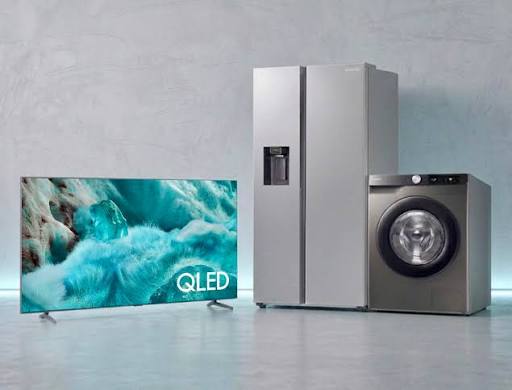
Technology is rapidly transforming how people live, and Smart Home Products are at the center of this change. What used to be a luxury for high-end homes is now becoming increasingly accessible to everyday households. From smart TVs that stream content on demand to refrigerators that help manage energy usage, home automation is reshaping domestic life.
A smart home is not just about convenience—it is about creating a connected environment where appliances communicate, respond, and adapt to user needs. This makes daily routines simpler, more efficient, and more enjoyable.
In countries like Kenya, adoption of smart electronics is growing quickly as more homeowners seek better control over energy usage, security, and entertainment systems.
What Are Smart Home Products?
Smart Home Products refer to electronic devices that can connect to the internet and communicate with other devices in the home. These products are designed to automate tasks, improve efficiency, and give users remote control over their appliances.
Unlike traditional electronics, smart devices can:
- Be controlled using mobile apps
- Respond to voice commands
- Automatically adjust settings based on usage patterns
- Communicate with other connected devices
This creates an integrated system often referred to as a smart ecosystem.
How Home Automation Is Changing Modern Living
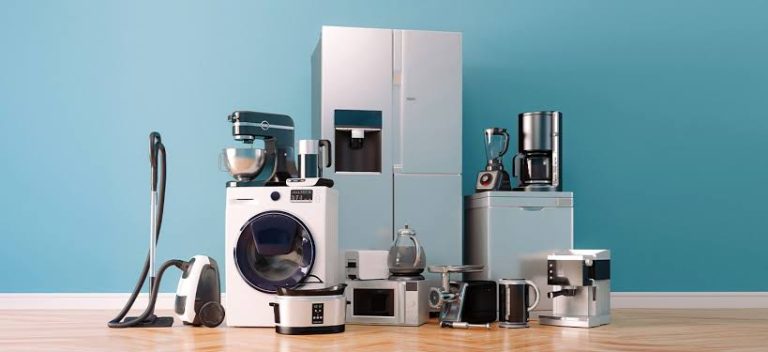
Home automation is no longer limited to advanced security systems or high-end technology. It now includes everyday appliances such as lighting systems, televisions, refrigerators, washing machines, and even kitchen appliances.
With home automation Kenya growing steadily, homeowners are beginning to adopt systems that improve convenience and reduce manual effort.
For example:
- Smart TVs recommend content based on viewing habits
- Smart refrigerators monitor energy consumption
- Smart washing machines adjust water usage automatically
These features reduce effort while improving efficiency across the home.
Key Categories of Smart Home Products
Smart home systems are made up of different categories that work together to create a connected lifestyle.
Smart Entertainment Devices
Smart TVs and audio systems are often the entry point into home automation. They allow streaming, app integration, and voice control.
Explore entertainment options:
audio-and-televisions
Smart Kitchen Appliances
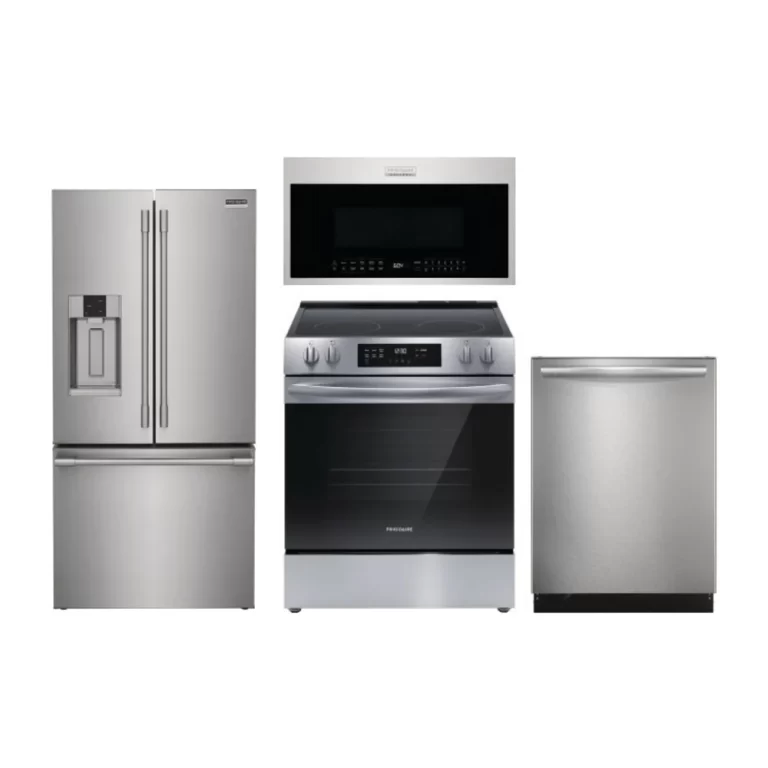
Modern kitchens now include connected appliances that simplify cooking and food preparation.
Browse kitchen solutions:
kitchen-appliances
Cooking systems:
cooking-appliances
Smart Cooling and Storage Systems
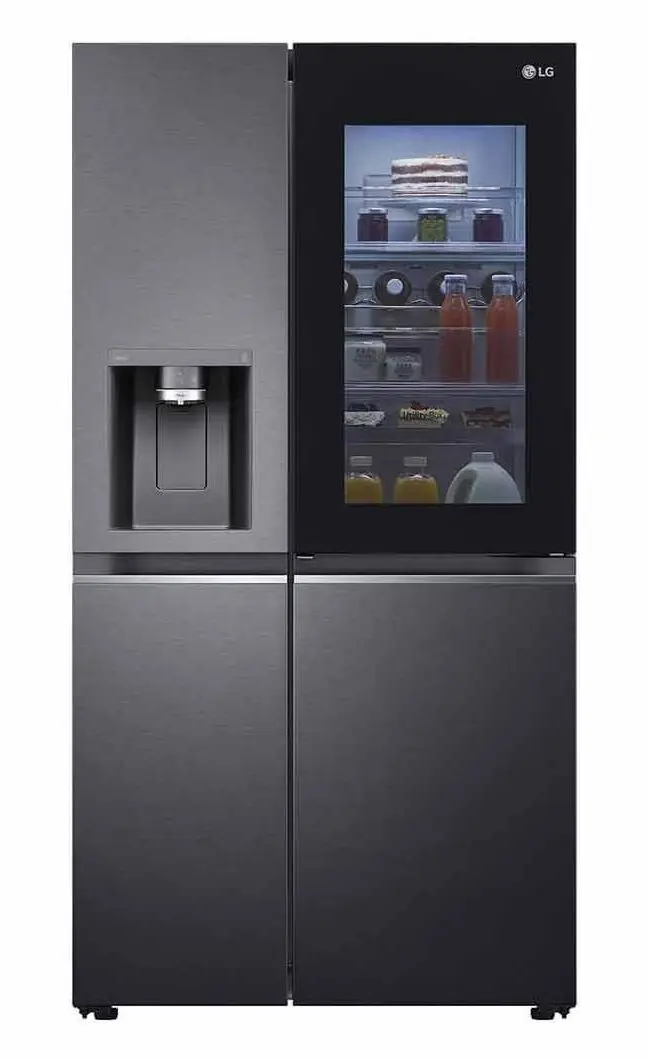
Refrigerators and freezers are becoming more efficient with smart temperature control and energy-saving features.
Explore refrigeration systems:
fridges-freezers
Smart Laundry Systems
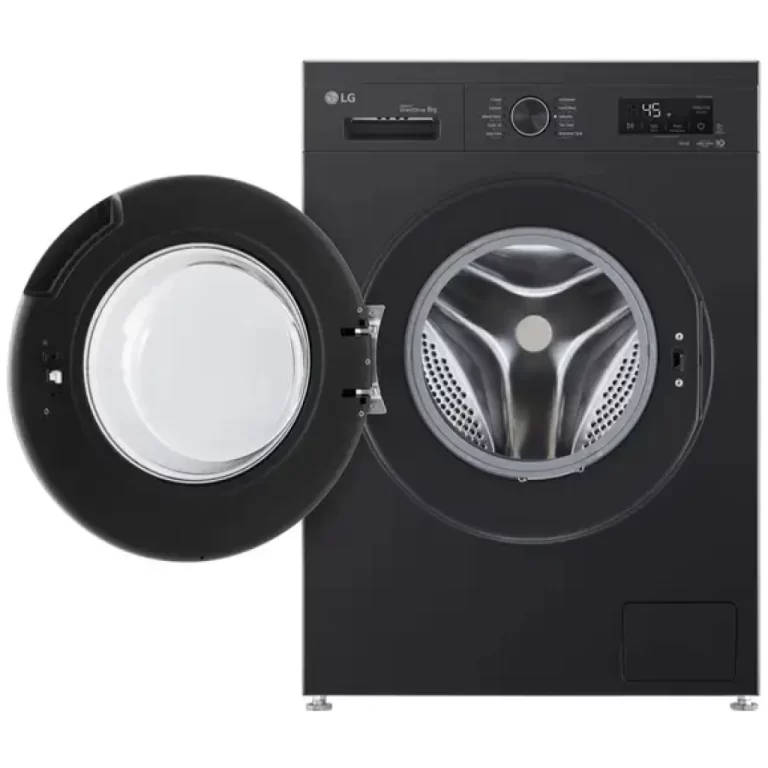
Washing machines now feature automatic load detection, optimized cycles, and remote control options.
Laundry solutions:
laundry-and-garment-care
Benefits of Smart Home Products
One of the biggest advantages of Smart Home Products is convenience. Users can control multiple devices from a single smartphone or central hub.
Other benefits include:
- Improved energy efficiency
- Better time management
- Enhanced security and monitoring
- Remote access to home systems
- Personalized user experiences
These advantages make smart homes more practical and efficient for modern lifestyles.
Internet of Things and Connected Living
The foundation of smart homes is the Internet of Things (IoT), which allows devices to communicate with each other.
With internet of things appliances, your home becomes a connected ecosystem where devices share data and respond intelligently.
For example:
- A smart thermostat adjusts cooling based on room occupancy
- A smart TV syncs with audio systems for better sound control
- A smart fridge tracks food usage patterns
This interconnected system reduces manual input and improves overall efficiency.
Smart Home Products in Kenya
The adoption of smart technology in Kenya is steadily increasing, especially in urban areas like Nairobi. As internet access improves and devices become more affordable, more households are investing in smart electronics Nairobi markets.
Consumers are increasingly looking for:
- Energy-efficient smart devices
- Affordable automation systems
- Reliable internet-connected appliances
- Premium lifestyle upgrades
This trend reflects a growing demand for modern, connected living environments.
Challenges of Smart Home Adoption
While smart homes offer many advantages, there are also challenges to consider.
These include:
- High initial cost of devices
- Need for stable internet connection
- Compatibility between different brands
- Learning curve for new users
However, as technology evolves, these challenges are gradually decreasing, making smart home systems more accessible.
Building a Smart Home Ecosystem
A true smart home is not built with a single device but through a combination of connected systems working together.
A typical ecosystem may include:
- Smart TVs for entertainment
- Smart refrigerators for food management
- Automated washing machines for laundry
- Connected lighting and power systems
- Mobile apps for centralized control
When combined, these devices create a seamless living experience that enhances comfort and efficiency.
Final Thoughts
Smart Home Products are transforming modern living by creating homes that are more efficient, responsive, and convenient. Through home automation, users can control appliances, reduce energy consumption, and enjoy a more connected lifestyle.
As adoption continues to grow in Kenya and beyond, smart homes are becoming less of a luxury and more of a standard for modern households. Investing in smart technology today means preparing for a more efficient and intelligent home environment in the future.