As energy prices continue to rise and climate conditions become more unpredictable, both homeowners and businesses are looking for smarter cooling solutions that deliver comfort without excessive electricity costs. One of the most efficient modern solutions is the inverter air conditioner, a system designed to intelligently regulate temperature while reducing power consumption.
Unlike traditional cooling systems that constantly switch on and off, inverter technology adjusts compressor speed dynamically, ensuring stable cooling with minimal energy waste. This makes inverter air conditioners ideal for homes, offices, retail spaces, and hospitality environments across Kenya.
For modern households building efficient living spaces, inverter AC systems now sit alongside essential appliances such as modern fridges and freezers and energy-efficient fans and heaters as part of a complete climate control strategy.
What Is an Inverter Air Conditioner?
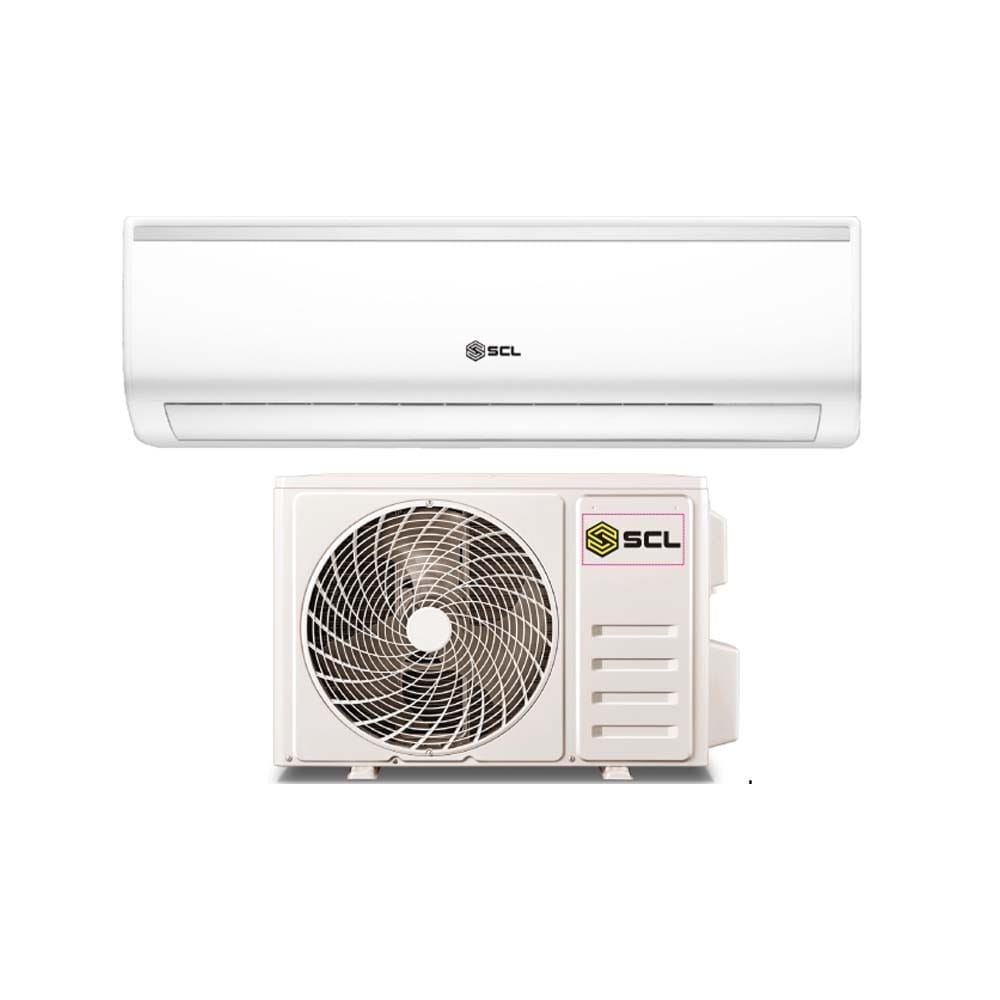
An inverter air conditioner is a smart cooling system that uses variable-speed compressor technology to control temperature more efficiently.
Traditional air conditioners operate in a simple cycle:
- Turn ON at full power
- Turn OFF when the room is cool
- Turn ON again when temperature rises
This repeated cycling wastes energy.
In contrast, inverter AC systems:
- Continuously adjust compressor speed
- Maintain a steady temperature
- Avoid constant restarting
This results in smoother cooling, lower electricity bills, and improved system durability.
In many modern homes, inverter ACs work alongside other comfort systems such as standing cookers in kitchens where heat control is important for overall indoor comfort.
How Inverter Air Conditioners Work
The core of an inverter AC is its variable-speed compressor. Instead of operating at a fixed speed, it adapts in real time based on room temperature conditions.
Step-by-Step Operation
- The thermostat detects indoor temperature
- The system calculates cooling demand
- Compressor speed increases or decreases accordingly
- Once the desired temperature is reached, it slows instead of shutting down
- It maintains a steady temperature with minimal power use
This smart regulation prevents energy spikes and reduces unnecessary stress on components.
Key Benefits of Inverter Air Conditioners
1. Energy Efficiency
The biggest advantage of inverter air conditioners is reduced power consumption. Because the system avoids constant start-stop cycles, it uses electricity more efficiently.
Over time, this can significantly lower monthly utility bills for both homes and businesses.
2. Consistent Indoor Comfort
Traditional AC systems often create temperature fluctuations. Inverter systems maintain stable cooling, ensuring a more comfortable environment in bedrooms, offices, and retail spaces.
3. Quiet Operation
Since the compressor does not frequently restart, inverter air conditioners operate more quietly. This makes them ideal for:
- Offices
- Bedrooms
- Study rooms
- Hotels
4. Longer Equipment Lifespan
Reduced mechanical stress means fewer breakdowns and longer operational life, making inverter ACs a cost-effective long-term investment.
5. Better Integration with Modern Appliances
Modern homes increasingly rely on multiple energy-efficient systems working together. For example, inverter ACs complement small home appliances that are designed for low-energy consumption and daily convenience.
Inverter Air Conditioners in Kenyan Homes and Businesses
In Kenya’s growing urban centers such as Nairobi, Mombasa, and Kisumu, demand for energy-efficient cooling solutions is rising rapidly.
Inverter air conditioners are widely used in:
- Residential apartments
- Corporate offices
- Hotels and guest houses
- Retail shops and supermarkets
- Restaurants and cafés
They are especially valuable in environments where cooling needs vary throughout the day.
For commercial environments, they often work alongside refrigeration systems like fridges and freezers to maintain both product freshness and customer comfort.
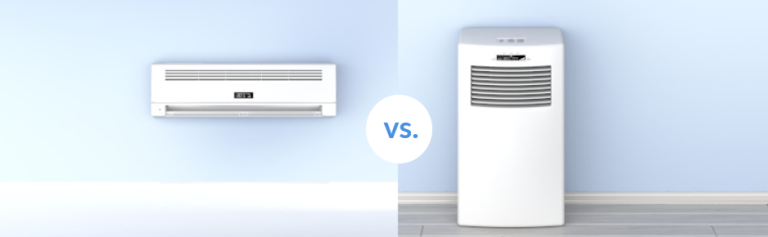
Inverter AC vs Traditional Air Conditioners
| Feature | Inverter AC | Traditional AC |
|---|---|---|
| Energy usage | Low | High |
| Temperature control | Stable | Fluctuating |
| Noise level | Quiet | Noisy cycles |
| Durability | High | Moderate |
| Cost efficiency | Long-term savings | Higher running cost |
While inverter air conditioners may have a higher upfront cost, the long-term savings make them a smarter investment.
Choosing the Right Inverter Air Conditioner
Selecting the right unit depends on several factors:
Room Size
A small room requires lower BTU capacity, while larger offices or halls need higher cooling power.
Energy Rating
Higher efficiency ratings translate to lower electricity bills.
Installation Quality
Proper installation ensures optimal performance and prevents energy loss.
Usage Environment
Homes, offices, and commercial spaces all have different cooling demands.
For example, offices often pair AC systems with kitchen appliances in break rooms to maintain overall comfort in shared environments.
Maintenance Tips for Long-Term Performance
Proper maintenance ensures efficiency and extends the lifespan of your inverter AC system.
Recommended practices:
- Clean air filters every 2–4 weeks
- Keep outdoor units free from dust and obstruction
- Schedule professional servicing every 6–12 months
- Monitor refrigerant levels regularly
- Ensure proper airflow inside the room
Neglecting maintenance can reduce efficiency and increase electricity consumption.
Common Mistakes to Avoid
Many users unknowingly reduce AC efficiency by making simple mistakes:
- Setting temperature too low (overworking the system)
- Blocking airflow with furniture
- Ignoring regular cleaning
- Using undersized or oversized units
Proper usage ensures maximum performance and energy savings.
Future of Cooling Technology in Kenya
As energy efficiency becomes more important, inverter technology is expected to become the standard in cooling systems.
Future trends include:
- Smarter AI-based temperature control
- Integration with smart home systems
- Even lower energy consumption models
- Hybrid cooling systems combining ventilation and refrigeration
These innovations will continue to improve comfort while reducing environmental impact.
Conclusion
Inverter air conditioners represent a major shift in modern climate control technology. By dynamically adjusting compressor speed, they provide efficient cooling, reduced energy consumption, and improved comfort for both residential and commercial spaces.
When combined with other energy-efficient appliances like fridges and freezers, fans, standing cookers, small home appliances, and kitchen appliances, they form part of a complete modern energy-saving ecosystem.
For homes and businesses in Kenya, investing in inverter air conditioning is not just about comfort—it is a long-term financial and lifestyle decision.