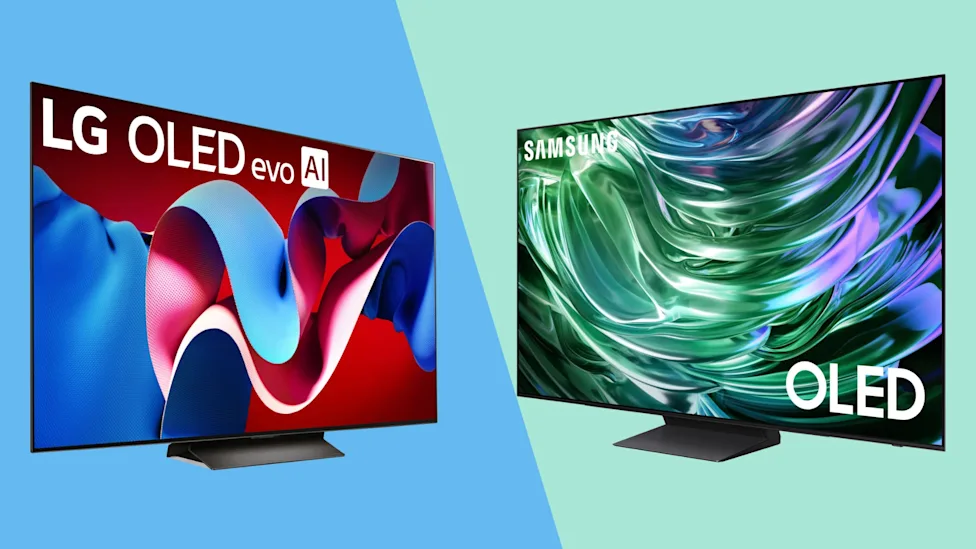
LG OLED vs Samsung QNED Kenya is one of the most searched premium television comparisons among buyers looking for the ultimate home entertainment experience. As more Kenyan households invest in modern living spaces and smart home technology, choosing the right television has become a much bigger decision than simply selecting the largest screen available.
Today’s premium televisions serve as entertainment hubs that bring together streaming, gaming, sports, family movie nights, and even smart home controls. Whether you are upgrading your apartment in Nairobi, furnishing a new home in Kiambu, or creating a dedicated home theatre, the television you choose will likely be at the centre of your entertainment setup for many years.
Among premium television technologies, LG OLED vs Samsung QNED stand out as two of the most advanced options available today. Both deliver exceptional picture quality, smart functionality, and premium design. However, they achieve these results through very different technologies.
If you’re exploring premium entertainment options, browse the Audio & Televisions collection:
audio-and-televisions
For additional home upgrades, you can also explore:
small-home-appliances
The question is simple: Which technology offers the best value and performance for Kenyan homes?
The answer depends on several factors including room lighting, viewing habits, gaming preferences, and budget. Understanding these differences will help you make an informed investment that delivers years of satisfaction.
Understanding LG OLED Technology
To fully appreciate the LG OLED vs Samsung QNED Kenya comparison, it is important to understand how OLED technology works.
OLED stands for Organic Light Emitting Diode. Unlike traditional televisions that require a backlight behind the screen, OLED panels use millions of self-illuminating pixels. Each individual pixel generates its own light and can switch completely on or off as needed.
This may sound like a small technical detail, but it creates one of the biggest advantages in modern television technology.
When an OLED television displays a black scene, the pixels responsible for those dark areas simply turn off completely. The result is true black rather than the dark grey appearance often seen on conventional LED televisions.
This capability gives OLED televisions what experts call “infinite contrast.” Bright areas appear brighter because they sit next to genuinely black sections of the image. Movies become more immersive, shadows reveal more detail, and overall image depth feels far more realistic.
This is one of the reasons why filmmakers, content creators, and home cinema enthusiasts consistently praise OLED technology.
Another major advantage of OLED is viewing angle performance. Many televisions lose colour accuracy and contrast when viewed from the side. OLED panels maintain exceptional picture quality regardless of where viewers are seated in the room.
For families who frequently watch together, this can be a significant benefit.
OLED televisions are also known for their ultra-slim designs. Since there is no bulky backlighting system required, manufacturers can produce televisions that are remarkably thin and visually stunning.
The result is a premium television that performs exceptionally well while also enhancing the overall appearance of your living room.
Understanding Samsung QNED Technology
While OLED focuses on self-emitting pixels, Samsung QNED approaches premium picture quality from a different angle.
QNED combines Quantum Dot technology with Mini-LED backlighting to create an exceptionally bright and vibrant viewing experience.
Instead of relying on a small number of larger LEDs behind the screen, QNED televisions use thousands of tiny Mini-LED lights. These lights are divided into zones that can be independently controlled to improve contrast and brightness.
The advantage of this system is immediately noticeable when watching television in bright environments.
Many homes in Kenya feature large windows and open living spaces designed to maximise natural light. While this creates pleasant interiors, it can present challenges for television viewing.
This is where QNED shines.
Its advanced Mini-LED system produces significantly higher brightness levels than OLED technology. Images remain clear and vibrant even when sunlight enters the room.
Sports broadcasts look energetic and colourful. HDR movies showcase brilliant highlights. Nature documentaries reveal vivid colours that almost leap off the screen.
For viewers who primarily watch television during the daytime, QNED’s brightness advantage can be extremely valuable.
If you’re building a complete home setup alongside your new television, you may also find these categories useful:
Kitchen Appliances:
kitchen-appliances
Fridges & Freezers:
fridges-freezers
LG OLED vs Samsung QNED Kenya: Picture Quality Comparison
When discussing premium televisions, picture quality remains the most important consideration.
This is where the LG OLED vs Samsung QNED Kenya comparison becomes particularly interesting because both technologies excel in different areas.
OLED televisions dominate when it comes to contrast and black levels. Watching a film with dark scenes on an OLED television creates a viewing experience that feels remarkably cinematic.
Night scenes appear realistic. Space sequences reveal deep blacks filled with detail. Shadows maintain texture rather than becoming washed out.
For movie enthusiasts, this level of image quality can be transformative.
Samsung QNED televisions, however, excel in brightness and colour volume.
Bright scenes look spectacular. Sunlit landscapes appear vibrant and dynamic. HDR content benefits from the increased brightness available through Mini-LED technology.
This makes QNED especially attractive for viewers who enjoy sports, documentaries, reality shows, and daytime viewing.
The difference is not necessarily about which television is better.
Instead, it is about matching the technology to your viewing environment and preferences.
A dedicated home theatre room with controlled lighting may benefit more from OLED.
A bright family living room used throughout the day may benefit more from QNED.
LG OLED vs Samsung QNED Kenya: Brightness and Daytime Viewing
One factor that is often overlooked when purchasing a television is room lighting.
Many buyers focus exclusively on specifications without considering where the television will actually be used.
In Kenya, natural light is abundant throughout the year. Homes often feature large windows and open layouts that allow sunlight to enter living spaces for much of the day.
In these environments, brightness matters.
Samsung QNED televisions are specifically designed to perform exceptionally well under bright conditions. Their Mini-LED backlighting system allows them to maintain image clarity even when sunlight is present.
OLED televisions remain excellent performers, but their primary strength lies in contrast rather than raw brightness.
This distinction can significantly influence user satisfaction after purchase.
A television that looks incredible in a showroom may behave differently once placed in your actual living room.
Understanding your environment before making a purchase is therefore just as important as comparing technical specifications.
Contact Information
Visit Our Store
Our Mall, Off Magadi Road
Nairobi, Kenya
Phone: +254 114 696 921
Email: amvsmarthomeappliances@gmail.com